Meditation was never supposed to make you calm. It was supposed to make you unfuckwithable.
Your nervous system runs everything. Focus, sleep, mood, patience. This is the instrument that tunes it: six technologies, 200 masters, twenty years of peer reviewed neuroscience.
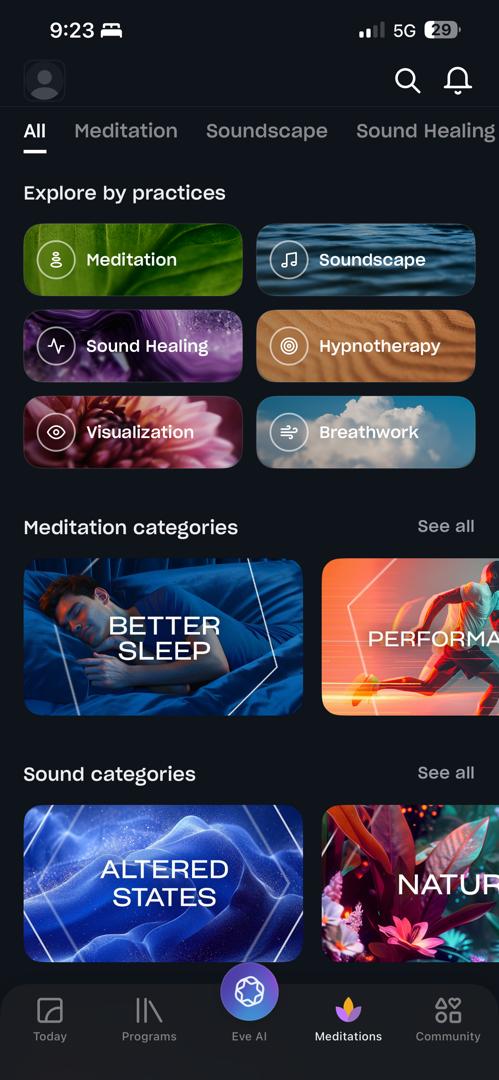
You were sold calm. Meditation was built for performance.
For 2,500 years, yogis, monks, hypnotherapists, and breathwork masters have been saying the same thing: meditation is a technology. A precise, repeatable set of protocols for changing what your brain does. With your body, your attention, and specific sequences of breath, sound, and imagery as the instruments.
In the last twenty years, neuroscience finally caught up. MRI scans, endotoxin trials, cortisol assays, and randomized controlled trials have confirmed what practitioners already knew.
Then somebody built an app that reduced all of it to a soft voice, a breathing animation, and the promise that you'd feel a little better after ten minutes.
We're building the other kind. For people who want more from their life. Do more. Be more.

The data is not subtle.
Long term meditators scan 7.5 years younger on average than their calendar age.
People who had never meditated grew measurable gray matter in the memory and learning regions.
It reaches the subconscious, where beliefs live. Change often starts in a single session, and it lasts.
Ten days of breath training calmed the immune response in a lab test.
The brain's rumination network quiets, even outside meditation.
Across twelve randomized trials, slow breathwork measurably lowered stress versus controls.
What happens to your brain when you meditate consistently
The molecules you already know, moving the right way.
The brain's natural calming chemical, the one anxiety medication targets. Breathwork raised it 27% without a pill.
Streeter et al., 20109The motivation molecule. Deep meditation raised dopamine tone 65% in brain scans.
Kjaer et al., 200210The sleep hormone. Evening practice raises nighttime melatonin naturally.
Tooley et al., 200011The molecule your brain uses to grow new neurons. Meditation is one of the two most reliable ways to raise it.
Cahn et al., 201712The stress hormone. Baseline drops within about four weeks of daily practice.
Turakitwanakan et al., 20138This isn't wellness.
It's neurological infrastructure.
Real people. Real neurology. Real change.
Real people. Real outcomes. In their own words, verbatim. And where the press has covered us.
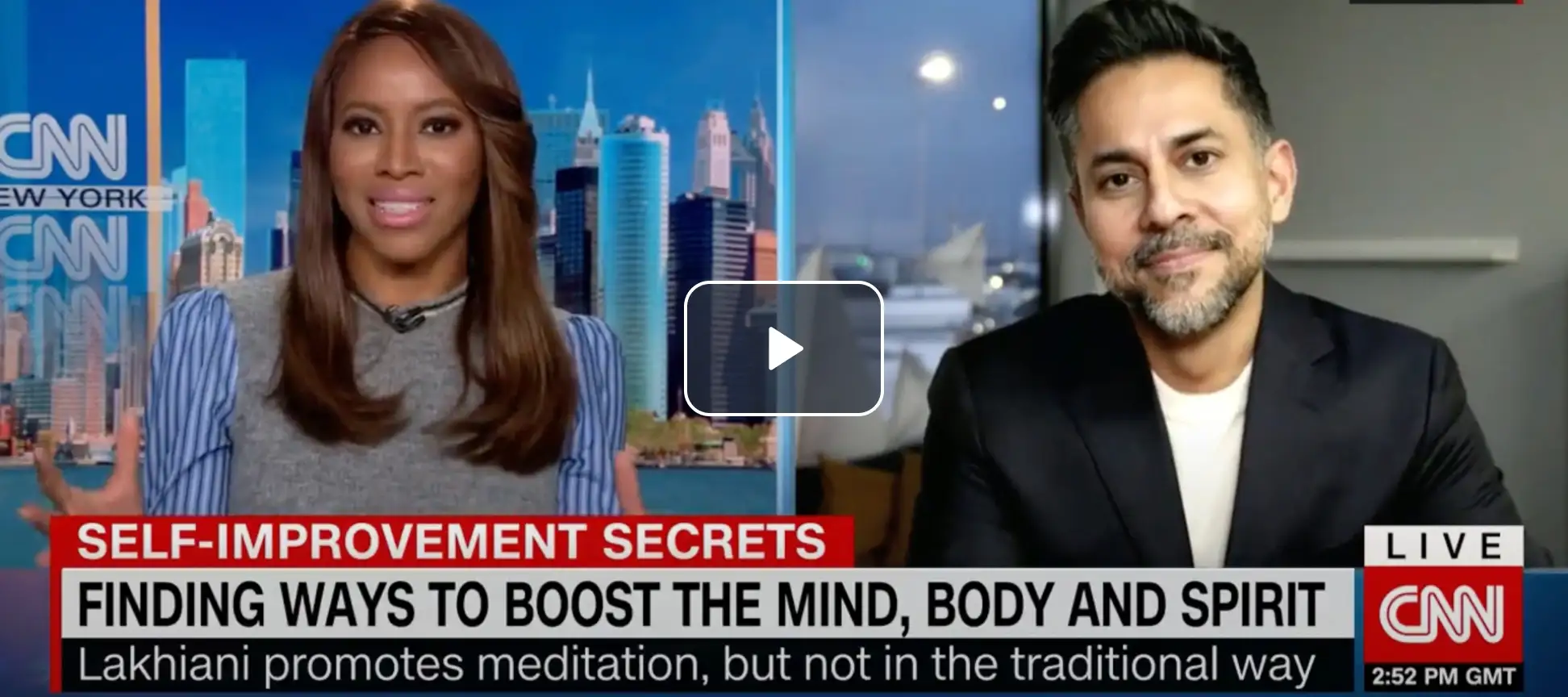


(38,000+ reviews)
across six technologies
in the library



Six powerful practices. Total transformation.
Most apps give you meditation and call it done. Mindvalley combines six scientifically backed approaches to help your brain reach deeper brainwave states. Deeper, faster transformation.

Switch off the mental noise in minutes
Even if you have never meditated before. Even if your mind races. Even on your most chaotic days. From mindfulness to spiritual insight, these guided sessions just work. Your monkey mind does not stand a chance.
A meditation for every problem.
Not meditation in general. A specific session for the exact thing you are carrying, recorded by a master of that exact repair. A few of the 1,000+ in the library:
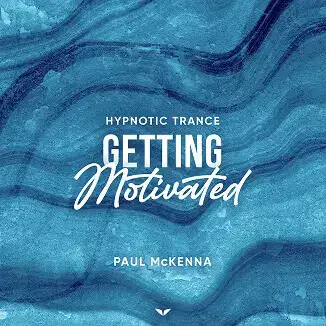
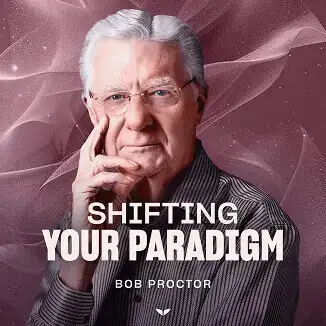
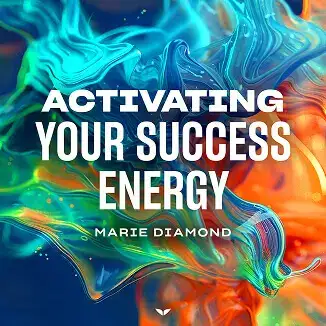




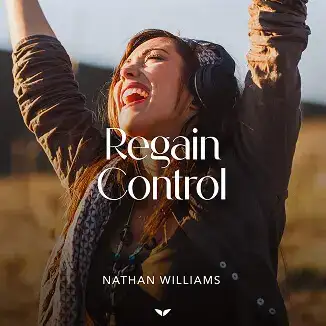
Two hundred of the world's best minds. In your pocket.
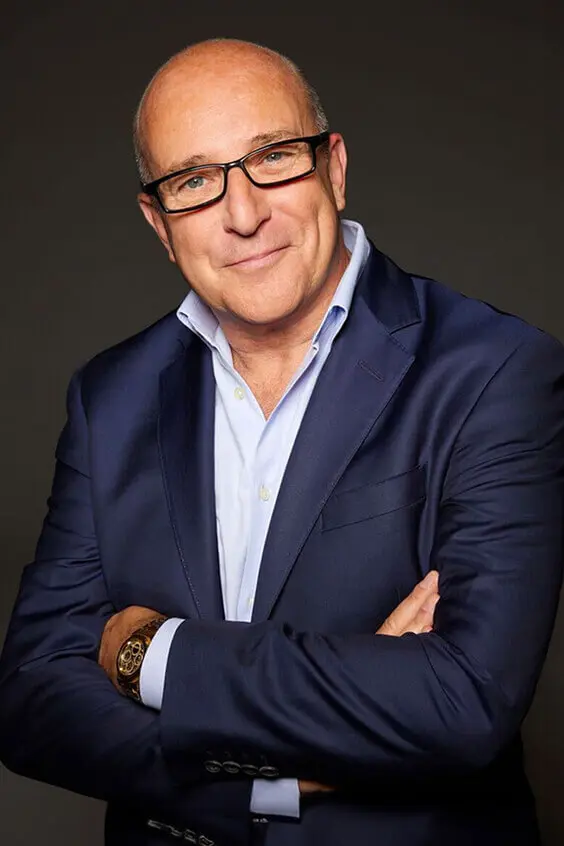
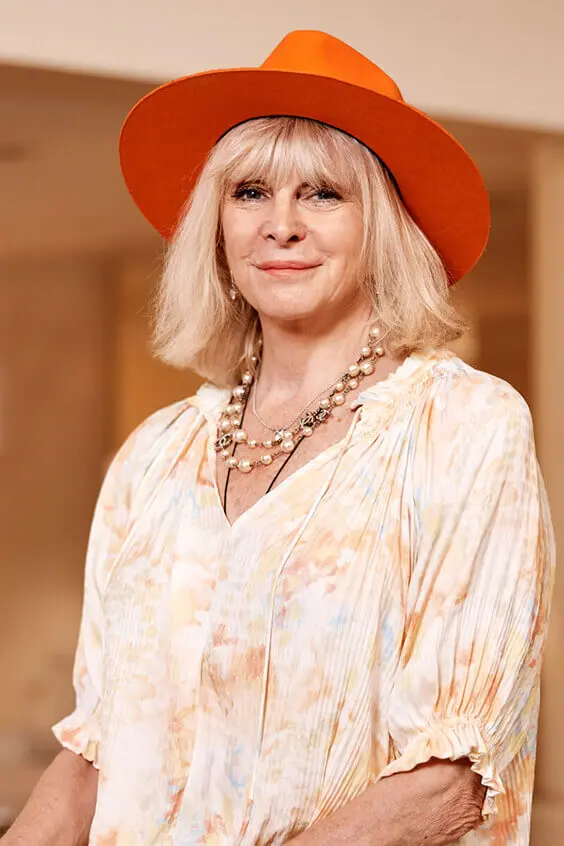
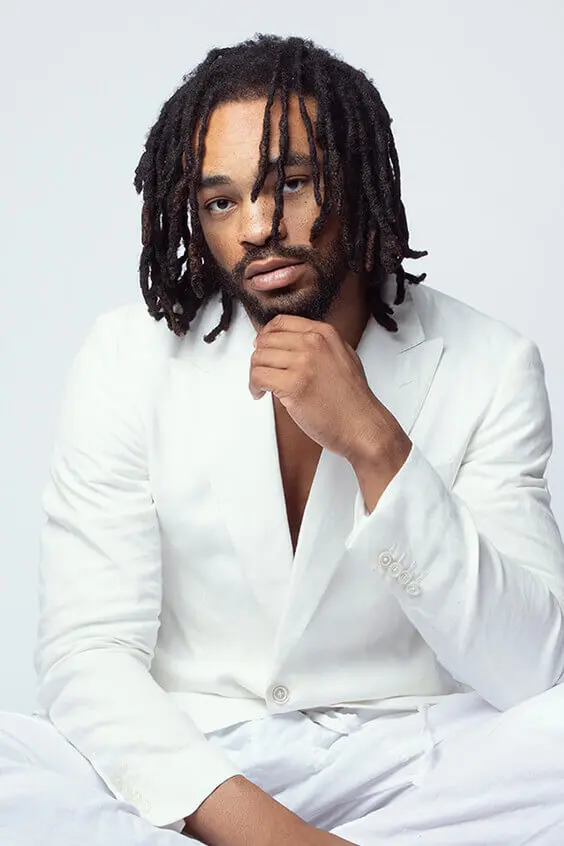
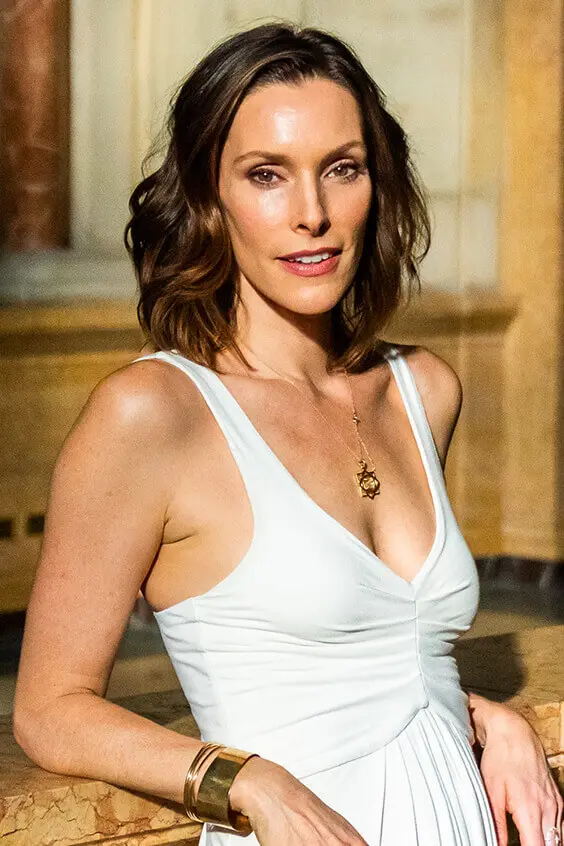
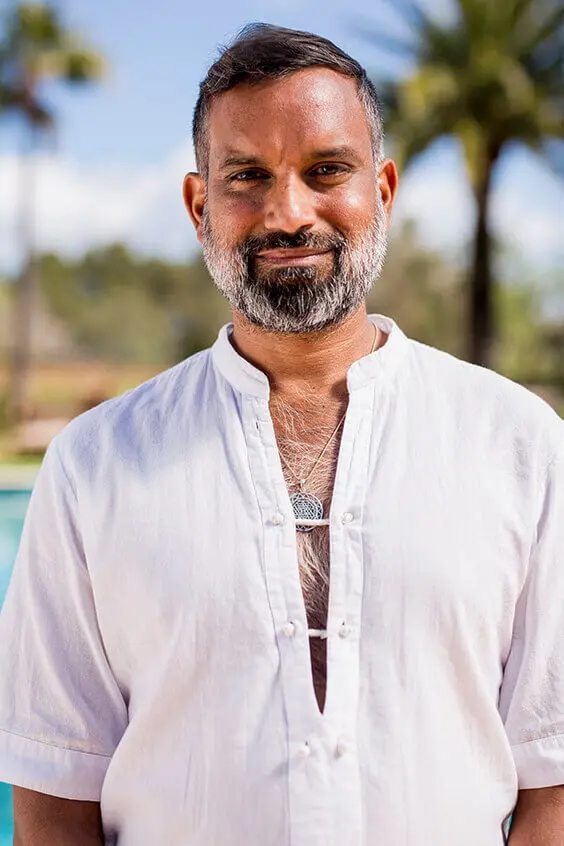
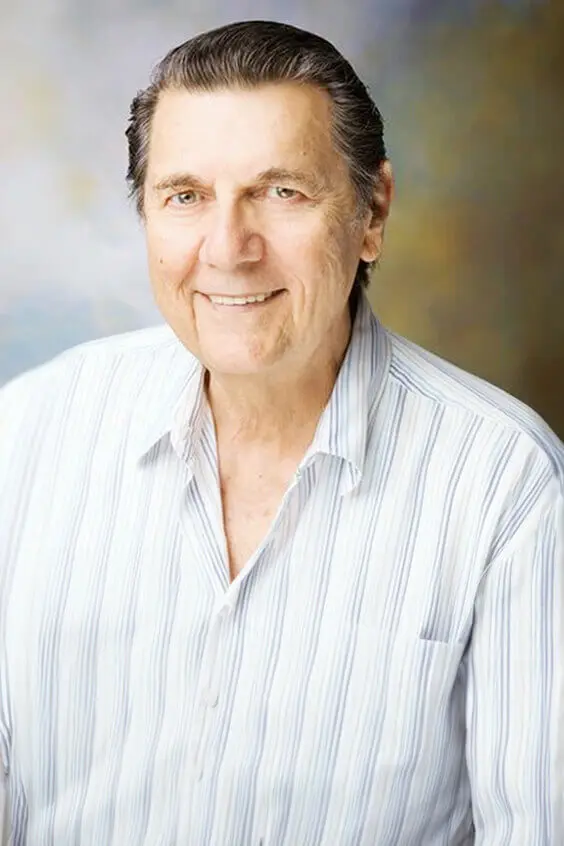
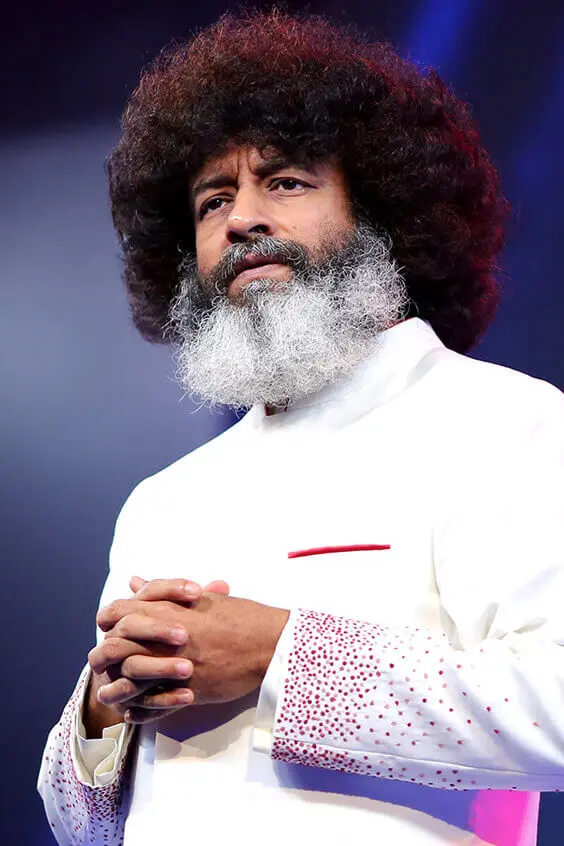
Two hundred of the world's most rigorous minds on the interior. Collected in one app. Sadhguru, on demand. Paul McKenna, on demand. Marisa Peer, on demand. Every session vetted by Vishen Lakhiani, NYT bestselling author and founder of Mindvalley.




How it works: designed specifically for you.
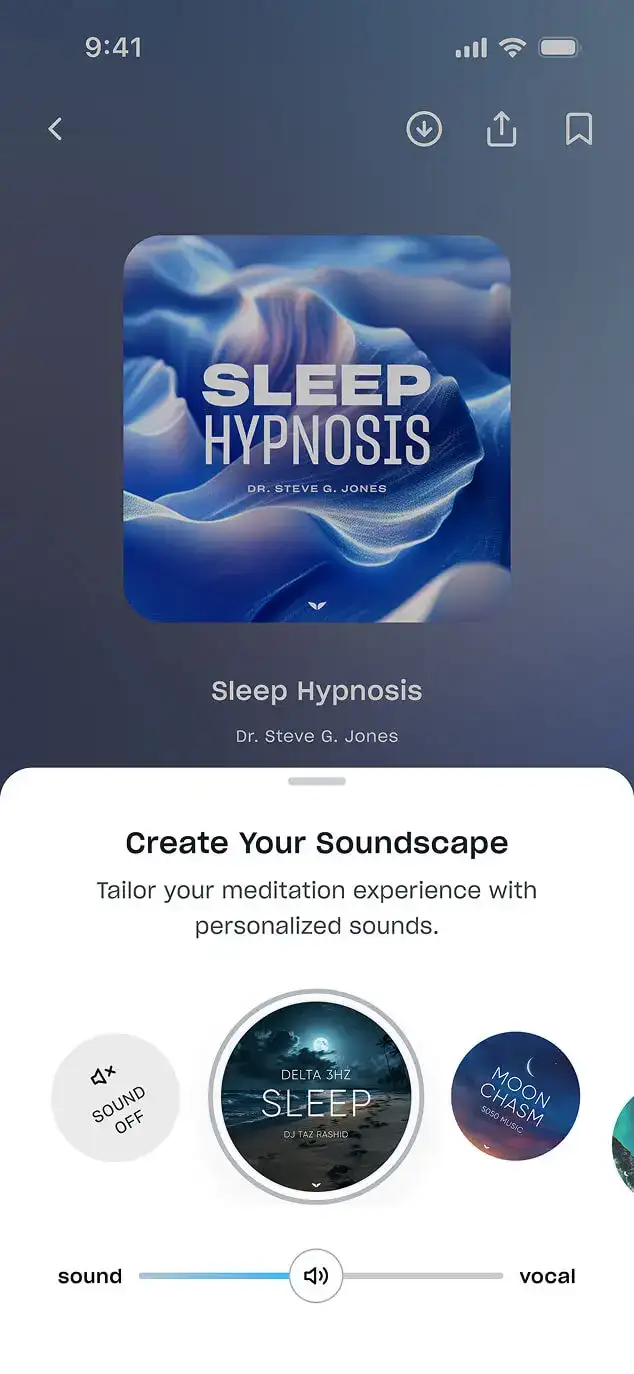
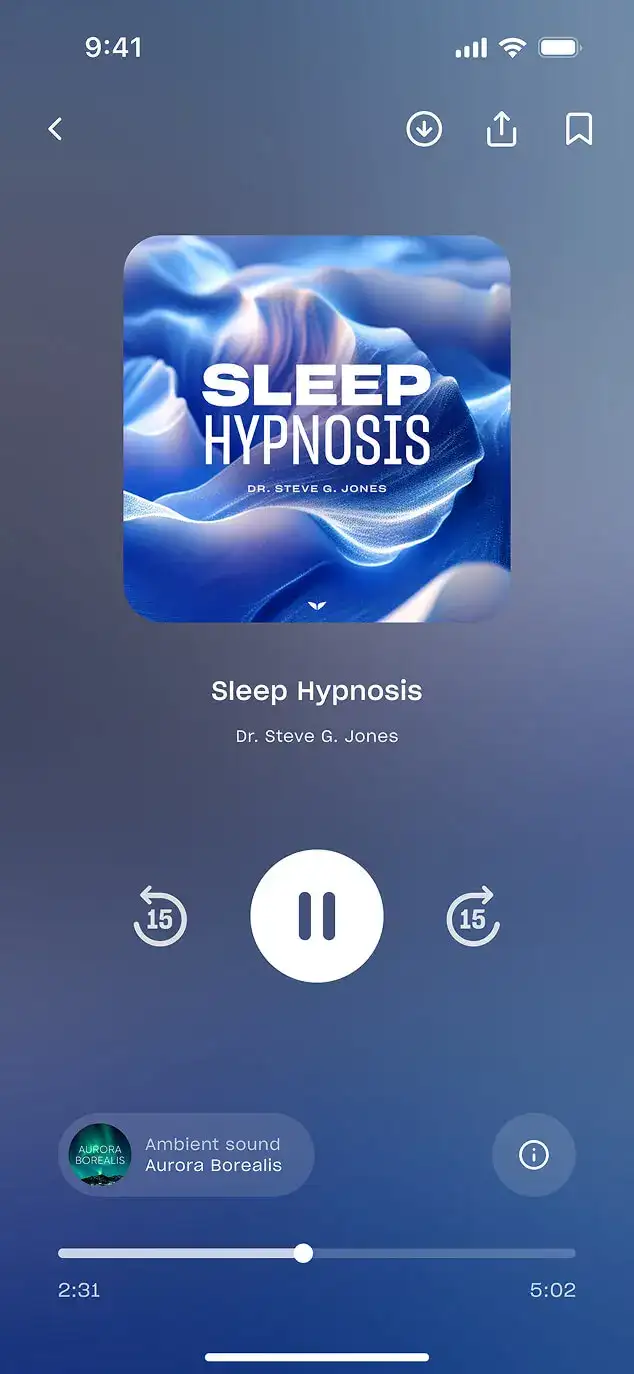
It learns you first. Then it prescribes: which session, which practice, how long. Then you choose how deep to go. More awake, or deep enough to fall asleep to. Scroll through: the app shifts as you read.
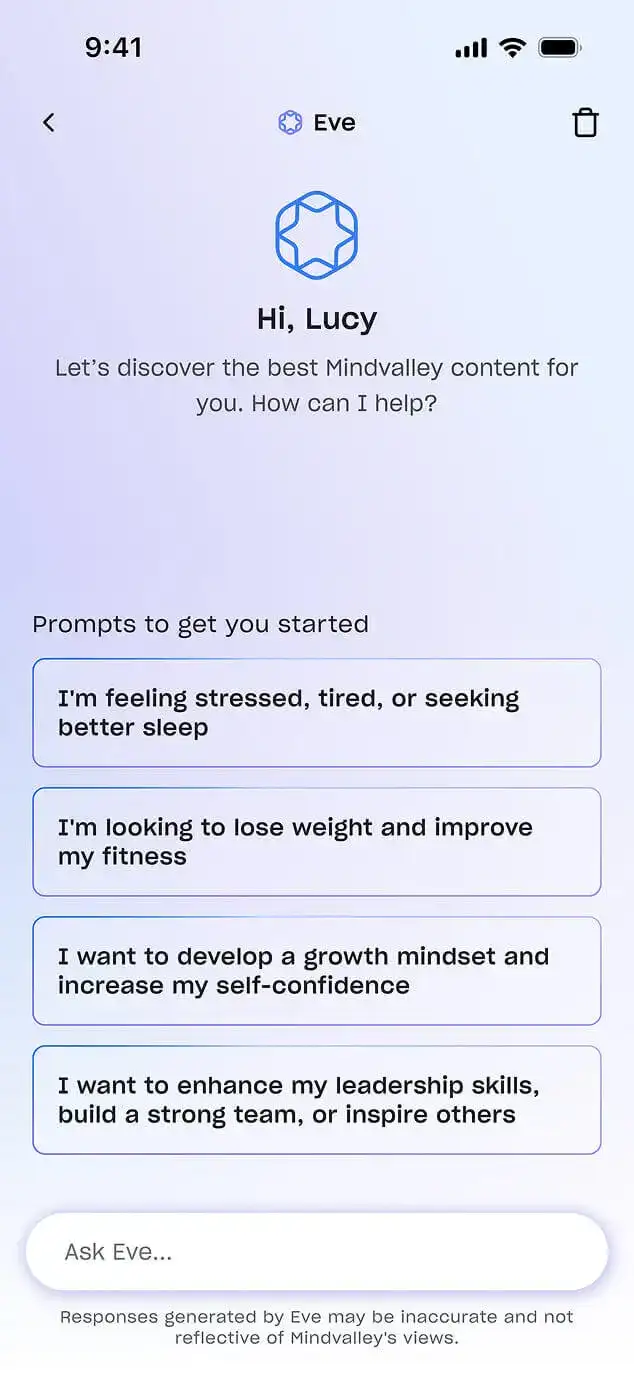
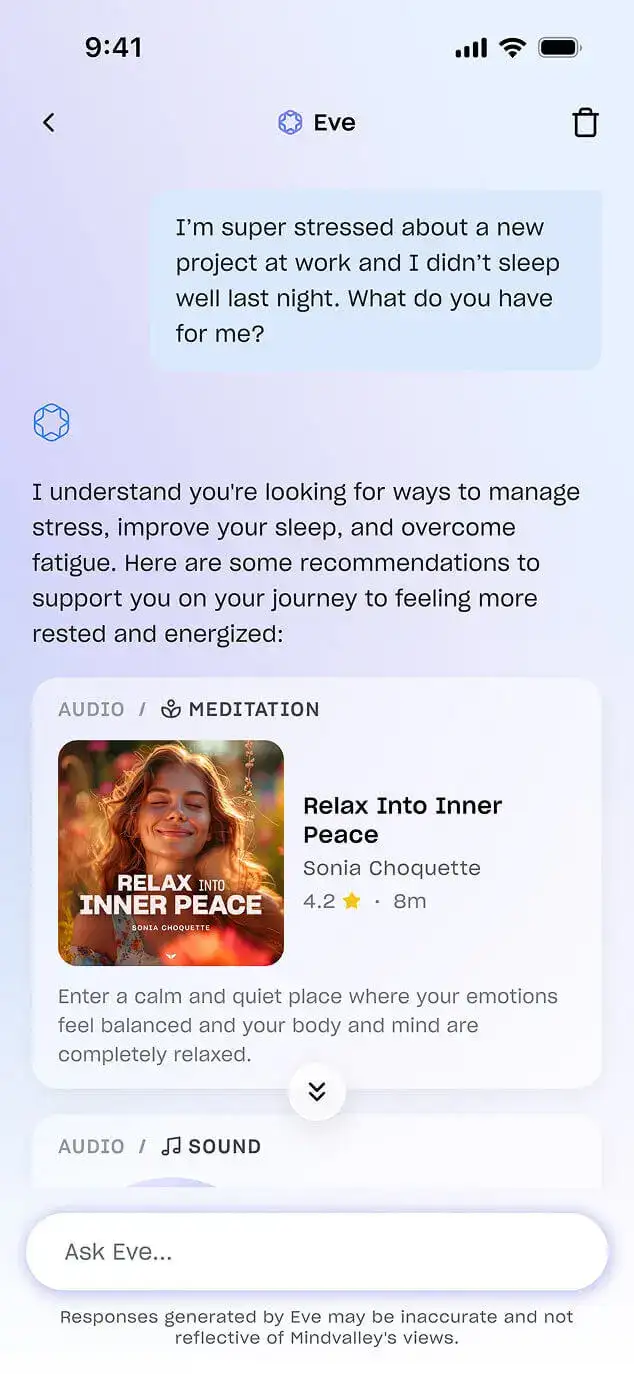

EVE listens. Then prescribes.
Tell her what you're feeling. Or just what your day looks like. She reads your state and builds a session in real time. Not another wellness chatbot. A trained cognitive coach with 200 masters' knowledge inside her.
A session designed for you. Every time.
She remembers what worked on Tuesday. She knows you have a hard call at 3pm. She'll pick the modality, the length, the voice, the soundtrack. And it'll be the one you actually need, not the one you would've randomly picked from a menu.
65,000 combinations. Design your own.
Prefer Wim Hof breathing with Monroe Institute soundscapes and Sadhguru's voice? Done. Physiological sighs with 528Hz solfeggio and Paul McKenna guiding you into sleep? Ready in 10 seconds. This is what personalization looks like when it stops being a marketing word.
Save it. Remix it. Return.
Every stack you build is saved to your library. Return to it tomorrow. Modify it next week. Share it with a friend. Your operating system, versioned and improving over time.
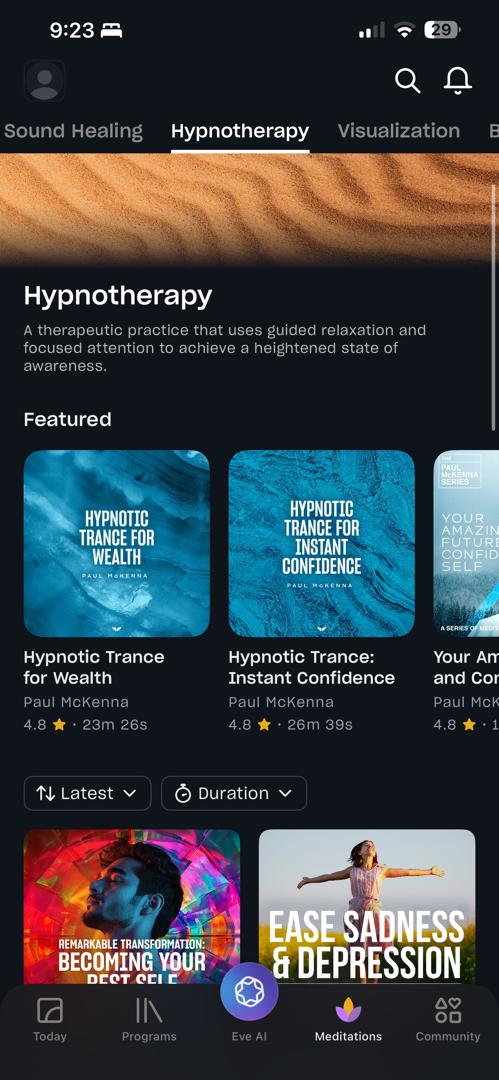
Paul McKenna. Marisa Peer. Any time.
Money blocks. Confidence. Sleep. Weight. Anxiety. Public speaking. Each session is a full hypnotherapy protocol from a world-class practitioner. The kind of session that costs $300/hour in London or LA, on demand for the price of a coffee.
Grammy production. Neuroscience frequencies.
Maejor's Grammy nominated production layered over Monroe Institute's Hemi-Sync research. Solfeggio frequencies, binaural beats, biofield tuning. Engineered together, not slapped together. Put on headphones. You'll feel it.


65,000 combinations. One is yours.
Take any meditation and make it yours. Choose the sound frequency to go deeper. Alpha, beta, theta. Choose the environment, the guide, the length. More awake, or deep enough to fall asleep to.
This app is not for beginners looking to relax.
Install Calm for the lullaby. Install Headspace for the tutorial. Both are excellent products for what they do. This is the other kind. Six practices, 200 masters, twenty years of neuroscience.
And it does not stop at your headphones: multi-sensory live experiences and immersive sound events built with world-class engineers. A 360° experience no meditation app can stage.
You already know what to do.
Start tonight.
- 1,000+ guided sessions across six practices
- 200+ masters: Sadhguru, McKenna, Marisa Peer
- The mixer: 65,000 session combinations
- New sessions every week


They pressed play too.


Questions, answered straight.
How is this different from Calm or Headspace?
Calm is built for relaxation. Headspace teaches beginner mindfulness. Both are good at what they do. Mindvalley Meditations is built for performance: six technologies matched to the state you need, from deep sleep to focus before a big meeting. You do not come here to feel less. You come here to do more.
I have tried meditation and it never worked. Why would this be different?
Because you were probably given one tool for every job: sit still and watch your breath. If that never landed, nothing was wrong with you. Hypnotherapy, breathwork and guided visualization work through the body and the subconscious, so they work even on minds that refuse to sit still. Match the technology to the state and it stops feeling like a chore.
What exactly is included?
Over 1,000 sessions across six technologies: meditation, hypnotherapy, breathwork, sound healing, creative visualization and soundscapes. More than 200 masters including Sadhguru, Marisa Peer, Paul McKenna and Niraj Naik. Eve, the AI guide that prescribes your session. New content every week.
How long are the sessions?
From a few minutes to a full hour. Most sessions run 10 to 20 minutes, built to fit before a workday, between meetings, or as you fall asleep.
Do I need any experience?
None. Every technology comes with guided entry points. Tell Eve what state you are in and what you need, and she builds the session.
What if it is not for me?
Every plan carries a 15 day money back guarantee with a one click refund. No phone call, no exit interview.
Why this app isn't going to sit unused on your phone.
Every meditation app has the same failure mode: you download it, use it four days, forget about it. Here is why the retention pattern on Meditations is different. And why we designed it that way from day one.
EVE prescribes daily.
Your first prompt every morning: "Here's your session for today, based on what worked yesterday." Two taps in, headphones on, done. No decision fatigue. No menu of forty options to scroll through while your motivation drains out of you.
Session length matches your day.
Two-minute box breathing before a call. Twelve-minute focus reset at lunch. Twenty-two-minute wind-down at night. Never the wrong length for the moment you're in. Not another app asking for a 30-minute commitment you don't have.
The stack compounds.
Every session refines what EVE knows about you. By week four the prescriptions are precise enough that you're not making yourself use it. You're actively looking forward to the next one. The retention loop is competence, not streak-shaming.
Still here? Start tonight.