You keep noticing the same shape: a lotus on a yoga mat, a hamsa on a necklace, a tree of life on a friend’s wall. Spiritual symbols are images that represent ideas like protection, balance, healing and enlightenment across cultures. Some of the most widely used are the Om, lotus, hamsa, yin yang and tree of life. Here’s what 23 of them mean and how people use them.
What are spiritual symbols?
Spiritual symbols are signs and images that carry a specific meaning within a belief system or spiritual practice. They give shape to ideas that are hard to put into words, such as the soul, the divine, protection or awakening. Many are thousands of years old and still used daily in prayer, meditation and ritual.
People have always tried to make sense of birth, death and the forces of nature. Symbols helped them do that. A carved spiral, a painted eye or a simple cross could hold a whole story and pass it from one generation to the next.
According to Jungian psychology, some images are archetypes: patterns that come from the collective unconscious and show up in cultures that never met. That helps explain why the tree, the circle and the eye appear in so many traditions.
In practice, a symbol works as a focus point. During meditation or ritual, it gives a wandering mind one clear thing to rest on, and it reminds you of the intention behind the practice.
Explore higher consciousness
Join this free masterclass on consciousness and enlightenment.
Spiritual symbols chart
Use this chart as a quick reference. Each symbol is explained in more detail below.
| # | Symbol | Tradition or origin | Core meaning | How people use it |
|---|---|---|---|---|
| 1 | Om | Hinduism, also Buddhism and Jainism | The sound of the universe | Chanting, meditation |
| 2 | Cross | Christianity | Faith, sacrifice, redemption | Prayer, jewelry |
| 3 | Vajra | Hinduism and Tibetan Buddhism | Indestructible clarity and spiritual power | Ritual object, meditation |
| 4 | Hamsa | Middle East and North Africa | Blessing and protection | Wall hangings, jewelry |
| 5 | Khanda | Sikhism | Divine knowledge and power | Emblem of the faith |
| 6 | Lotus flower | Hinduism, Buddhism, ancient Egypt | Purity and awakening | Meditation, visualization |
| 7 | Seal of Melchizedek | Modern esoteric practice, named after a biblical figure | Balance of spirit and matter | Mindfulness, focus |
| 8 | Yin Yang | Chinese philosophy and Taoism | Balance of opposites | Meditation, reflection |
| 9 | Unalome | Southeast Asian Buddhism | The path to enlightenment | Meditation, art |
| 10 | Antahkarana | Sanskrit term, used in Reiki | Link between the mind and higher self | Meditation, healing spaces |
| 11 | Tree of Life | Celtic, Norse, Jewish and many other cultures | Connection of all life | Meditation, home decor |
| 12 | Eye of Horus | Ancient Egypt | Healing, wholeness, protection | Amulets |
| 13 | Infinity | Mathematics, later spirituality | Endlessness, eternal life | Jewelry, reminders |
| 14 | Spiral Sun | Ancient rock art in many regions | Life energy and renewal | Visualization |
| 15 | Sri Yantra | Hinduism (Shri Vidya) | Union of masculine and feminine energy | Meditation |
| 16 | 5 Reiki symbols | Usui Reiki, Japan | Channeling healing energy | Reiki sessions |
| 17 | Ankh | Ancient Egypt | Life and eternal life | Amulets, art |
| 18 | Bagua map | Chinese feng shui | Balance in eight areas of life | Arranging a home |
| 19 | Dreamcatcher | Ojibwe (Anishinaabe) | Protection during sleep | Hung above a bed |
| 20 | Evil Eye | Mediterranean and Middle East | Protection from envy | Charms, jewelry |
| 21 | Helm of Awe | Icelandic and Norse tradition | Courage and protection | Visualization, jewelry |
| 22 | Mjolnir | Norse mythology | Strength and protection | Pendants |
| 23 | Pentacle | Modern paganism and Wicca | The elements and protection | Altars, rituals |
23 spiritual symbols and their meanings
If you’re going deeper into meditation, Eastern philosophy or spirituality, you’ve probably seen many of these already. Below, the 23 spiritual symbols are grouped by what people most often use them for: power, healing and protection.
Powerful spiritual symbols
These powerful spiritual symbols and meanings center on strength, faith and the path to awakening.
1. Om

Origin: ancient India. Om (also written Aum) is the most sacred sound in Hinduism and is also used in Buddhism and Jainism.
Om is described as the sound of the universe. The Mandukya Upanishad links its three sounds, A, U and M, to waking, dreaming and deep sleep, and the silence after it to pure awareness. That’s why so many mantras begin and end with it.
How to use it: chant Om slowly at the start of meditation and feel the vibration in your chest. Many people also keep the written symbol where they practice as a visual cue to settle the mind.
2. Cross
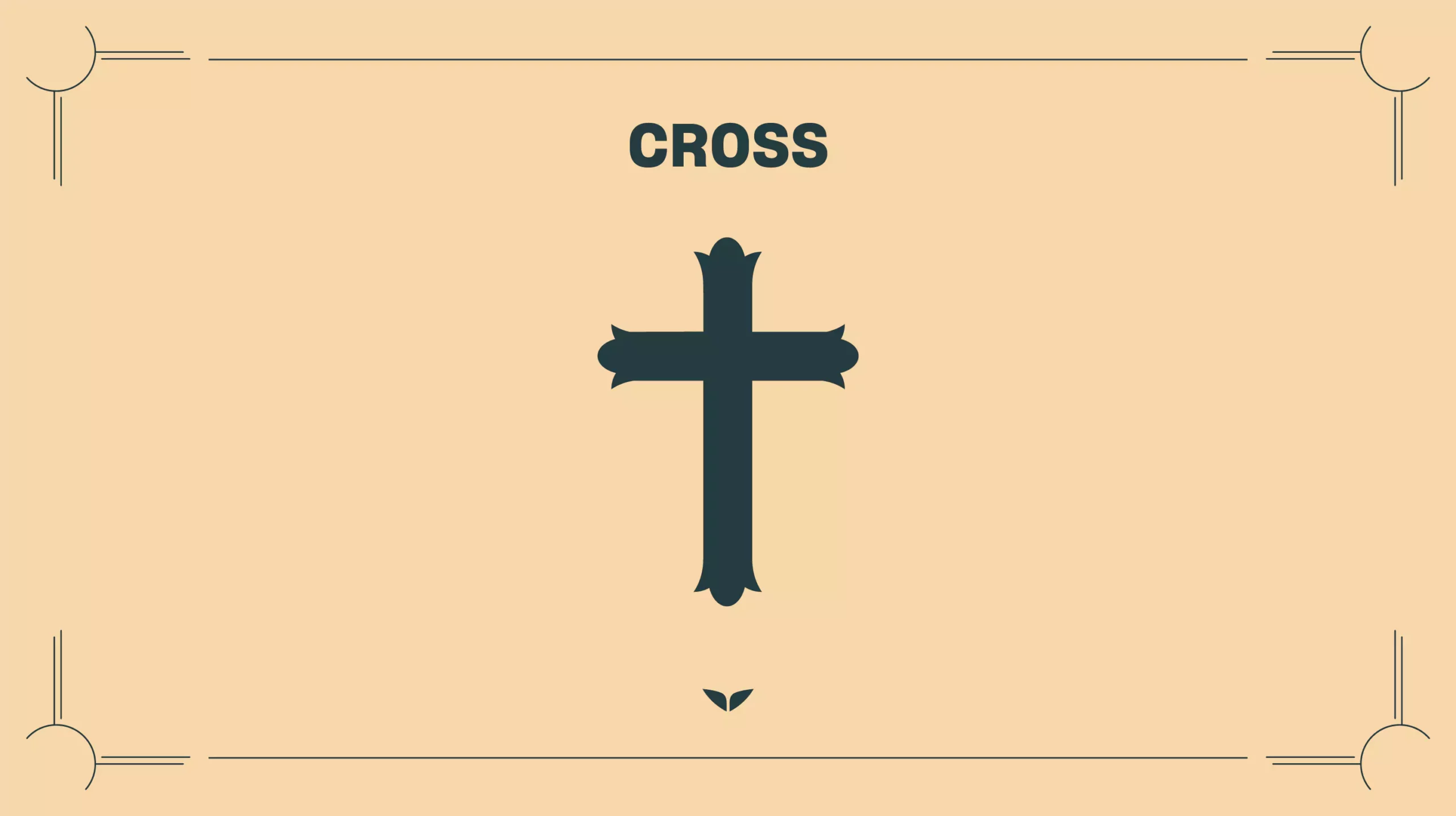
Origin: Christianity, from the crucifixion of Jesus in the first century.
The cross is the central symbol of Christianity. It represents the sacrifice of Jesus for the redemption of humankind, and with it love, faith and the promise of new life. Its simple shape carries very different moods in different settings: grief on Good Friday, hope on Easter Sunday.
How to use it: Christians often wear a cross as a necklace or keep one at home as a reminder of their faith. Many hold or look at a cross during prayer to focus their attention.
3. Vajra
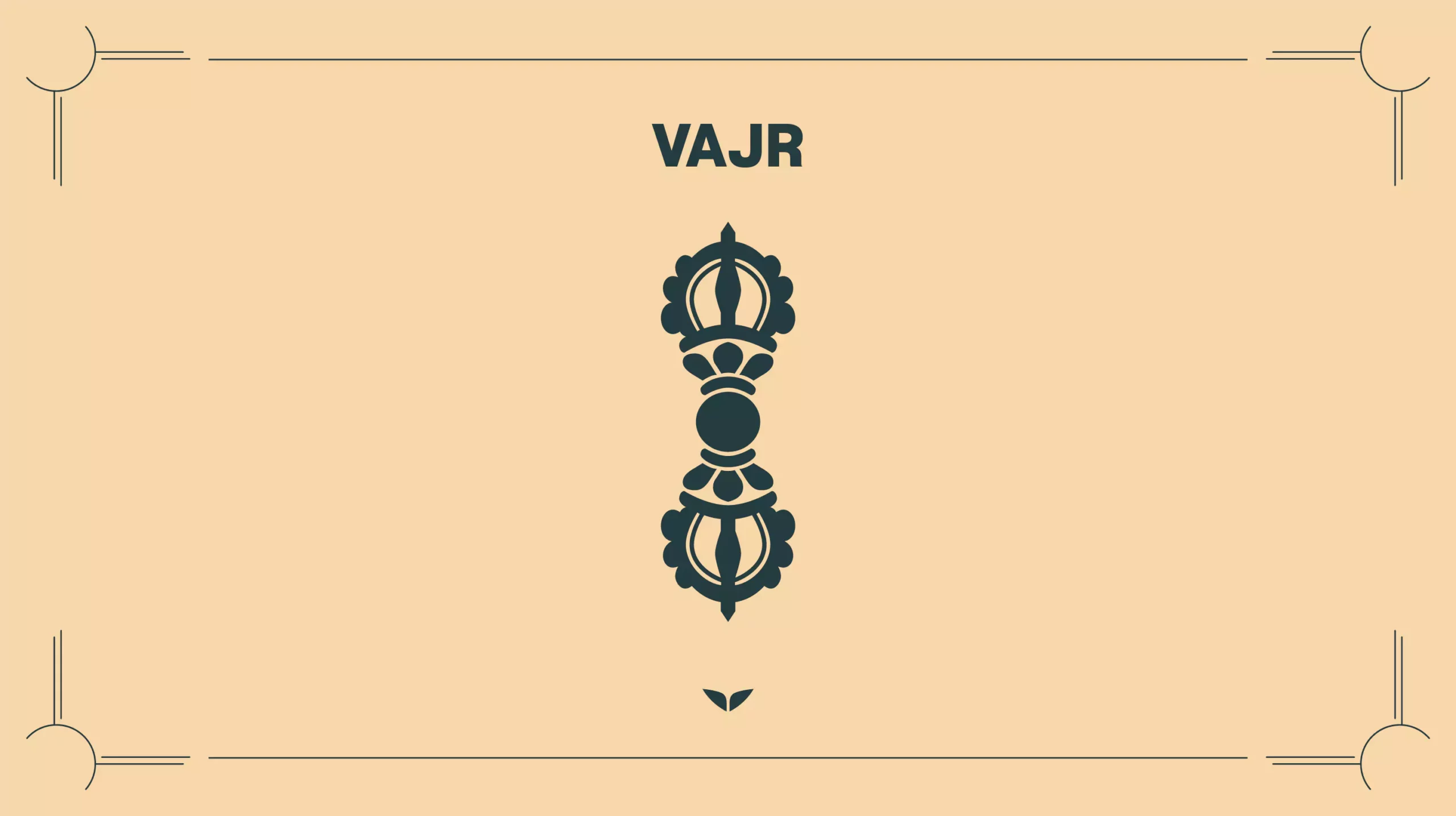
Origin: ancient India. In Hindu texts it is the thunderbolt of the god Indra; it later became a key ritual object in Tibetan Buddhism, where it’s called dorje.
The word vajra means both “diamond” and “thunderbolt,” so it stands for something that can’t be broken and a force that can’t be stopped. In Tibetan Buddhism, it represents the indestructible nature of enlightenment and the spiritual power of a clear mind.
How to use it: in Buddhist rituals, the vajra is held in the right hand and a bell in the left. In meditation, you can hold one or picture it to bring your attention back to clarity.
4. Hamsa
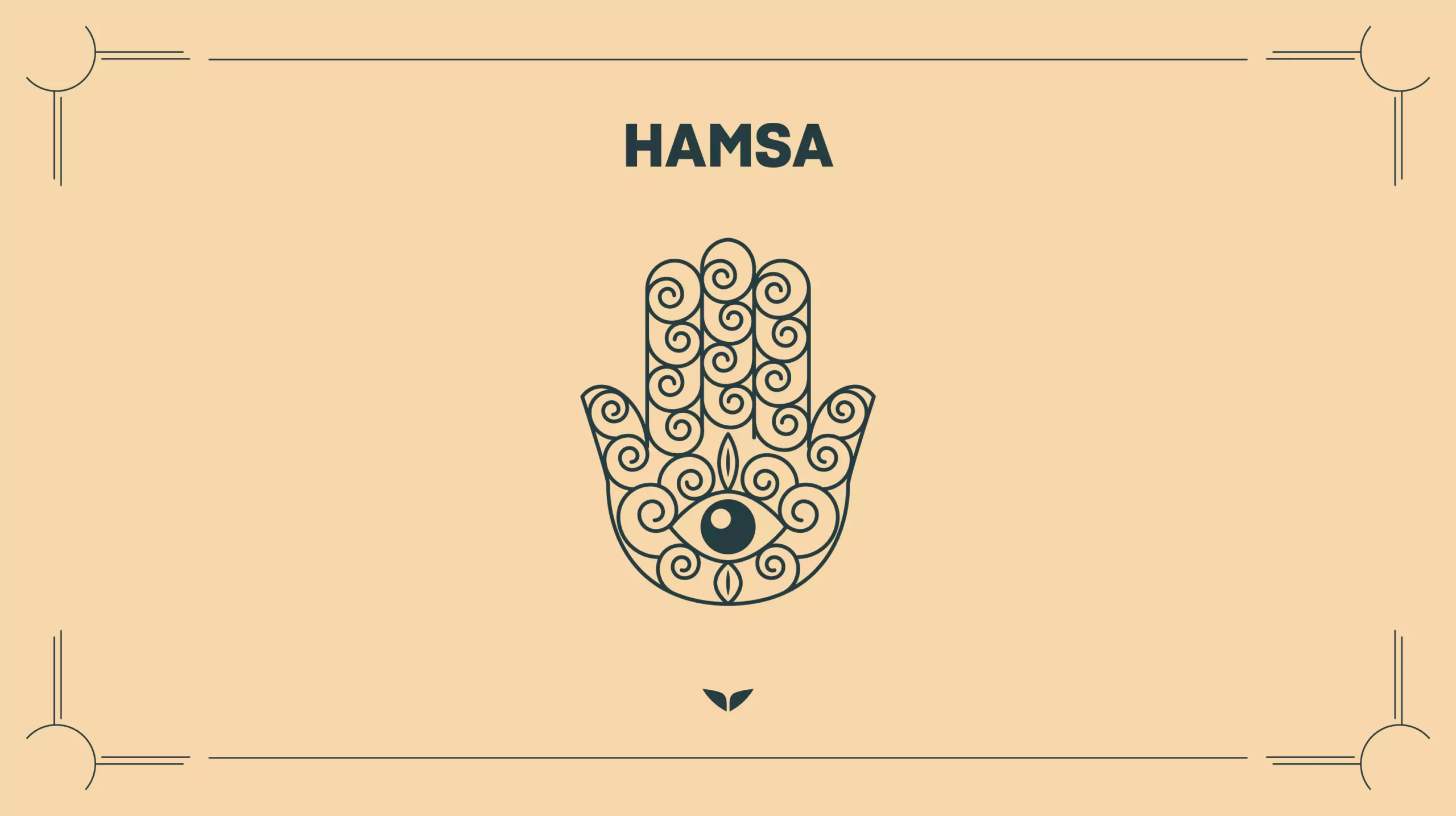
Origin: the Middle East and North Africa, where it predates the major religions that later adopted it.
The hamsa is an open hand, often with an eye in the palm. It’s known as the Hand of Fatima in Islam and the Hand of Miriam in Judaism. Some people also connect its five fingers to the five senses and to the hand gestures known as mudras.
How to use it: hang a hamsa near your front door or wear it as a pendant. With the fingers pointing down, it’s usually read as a blessing; pointing up, as protection from harm.
5. Khanda
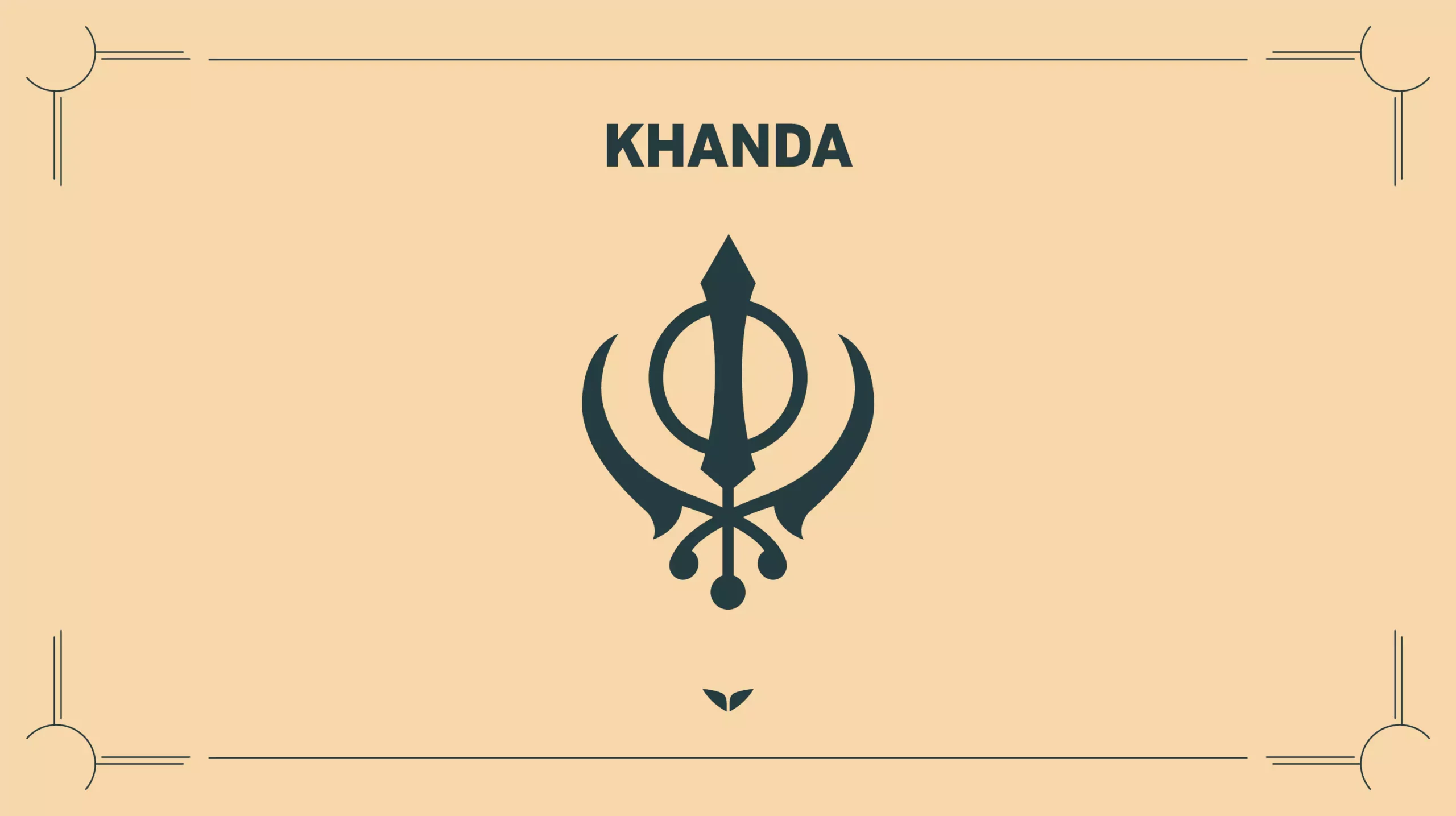
Origin: Sikhism, the faith founded by Guru Nanak in the Punjab region in the 15th century.
The Khanda is the emblem of the Sikh faith. A double-edged sword sits in the center, inside a circle called the chakkar, with two curved swords on either side. The central sword stands for divine knowledge, the circle for the oneness of God, and the outer swords for spiritual and worldly authority.
How to use it: Sikhs display the Khanda on flags, gurdwaras and as a pendant. For others, it’s a reminder that real strength combines wisdom with responsibility, and it deserves respect as a living religious emblem.
6. Lotus flower
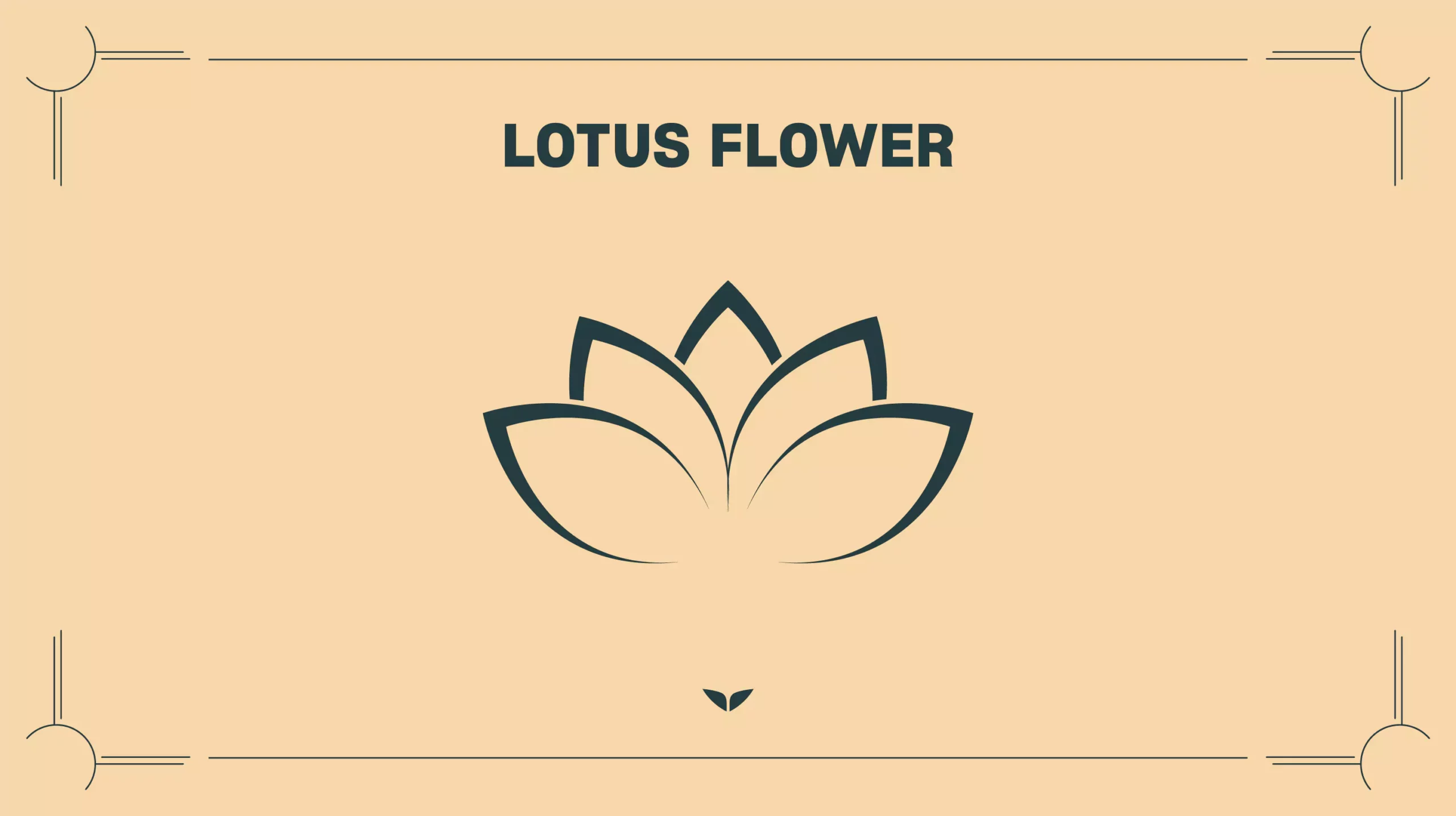
Origin: Hinduism and Buddhism in South Asia; the lotus was also sacred in ancient Egypt.
The lotus roots in mud and still opens clean above the water. That’s why it represents purity and spiritual awakening: the idea that you can rise through difficulty without being stained by it. Hindu and Buddhist art often shows gods and the Buddha seated on an open lotus.
How to use it: the cross-legged lotus position in meditation takes its name from the flower. During practice, you can picture a lotus opening slowly in your heart as you breathe.
7. Seal of Melchizedek
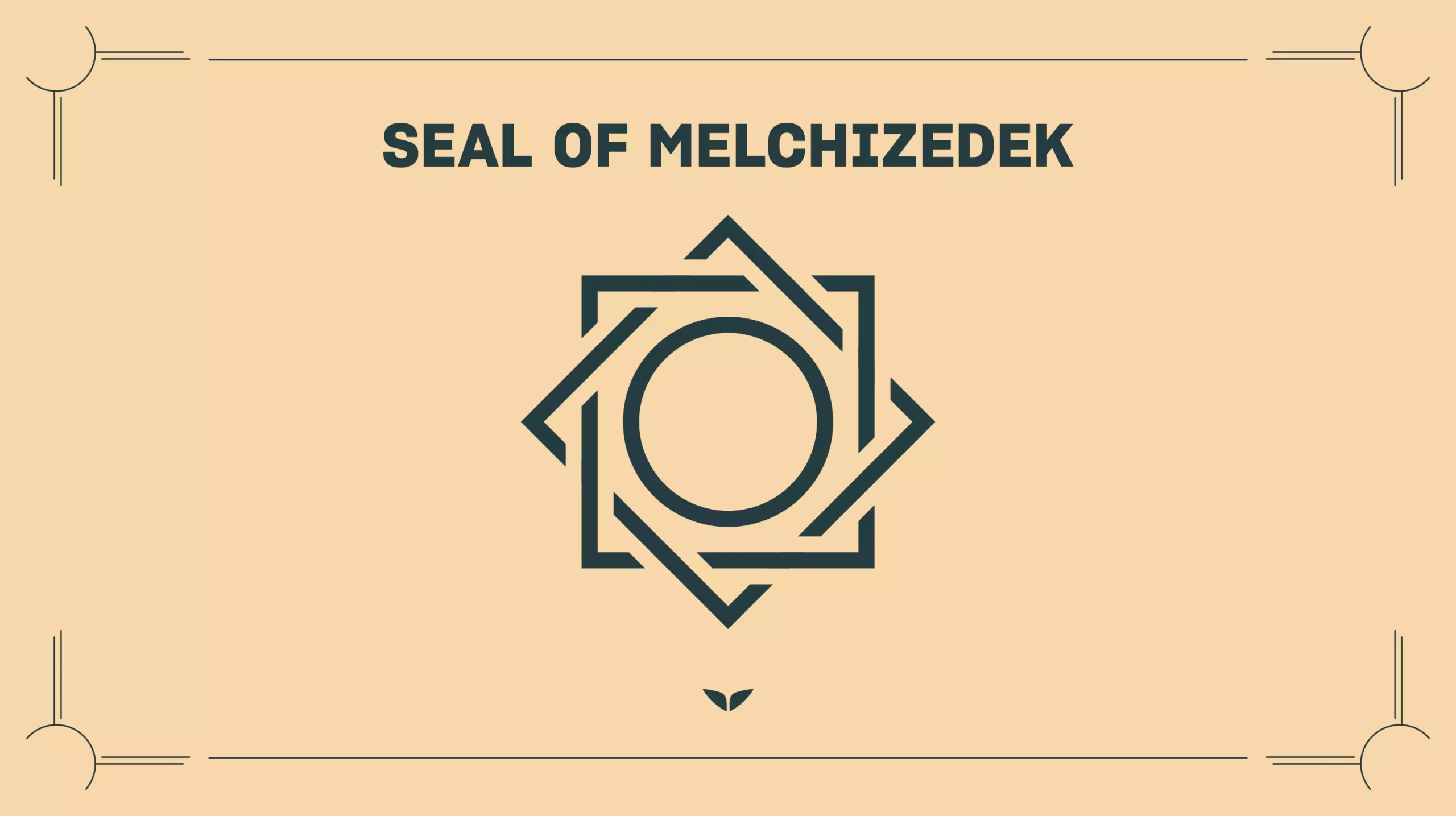
Origin: modern esoteric and energy-work circles. It takes its name from Melchizedek, the priest-king of Salem in the Book of Genesis.
The seal is drawn as two overlapping squares that form an eight-pointed star, often set inside a circle. People who work with it see it as a balance between the spiritual and the physical, with the circle standing for eternity.
How to use it: place it in your line of sight during mindfulness practice and use it as an anchor when your attention drifts. Some people keep it on an altar as a reminder to live their values in everyday life.

8. Yin Yang
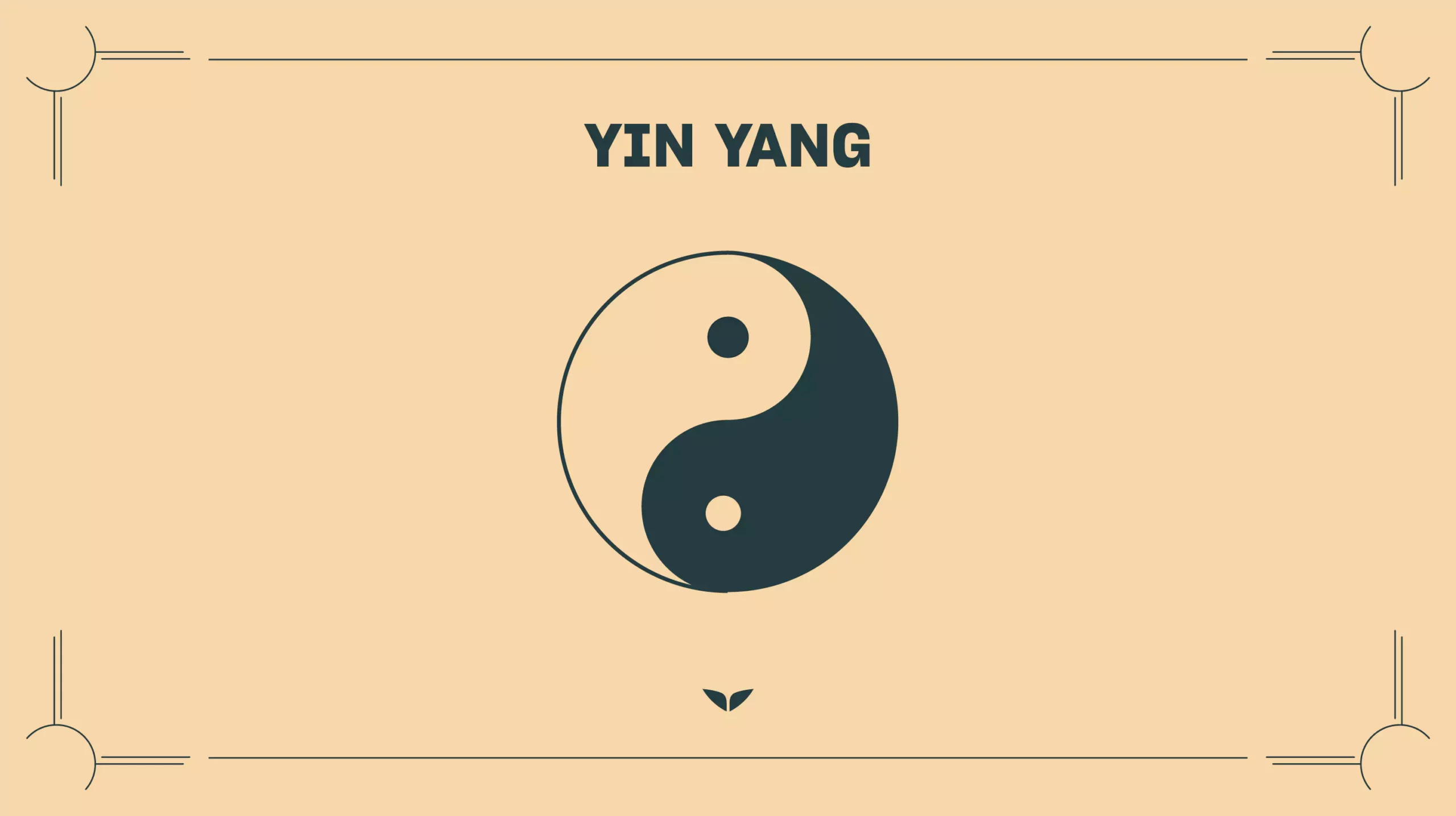
Origin: ancient Chinese philosophy, central to Taoism.
The yin yang (taijitu) shows two halves, dark and light, curving into each other. Yin is receptive, cool and still; yang is active, warm and bright. The small dot of each color inside the other says that every force holds the seed of its opposite, so balance is always moving.
How to use it: focus on the symbol in meditation when your life feels lopsided, too much work and not enough rest, for example. It also gave its name to Yin Yang yoga, which pairs slow, held poses with more active ones.
9. Unalome

Origin: Buddhist tradition in Southeast Asia, especially Thailand and Cambodia. It’s often linked to the urna, the curl of hair between the Buddha’s eyebrows.
The unalome meaning is a map of the spiritual path. The spiral at the base is the confusion of everyday life, the twists above it are struggles and lessons, and the straight line is clarity. The dot at the top stands for enlightenment.
How to use it: keep the unalome where you journal or meditate as a reminder that a winding path still leads somewhere. It’s a gentle symbol for people going through change.
Healing spiritual symbols
These healing spiritual symbols are used in energy work and meditation to support calm, balance and recovery. They support well-being; they aren’t a replacement for medical care.
10. Antahkarana
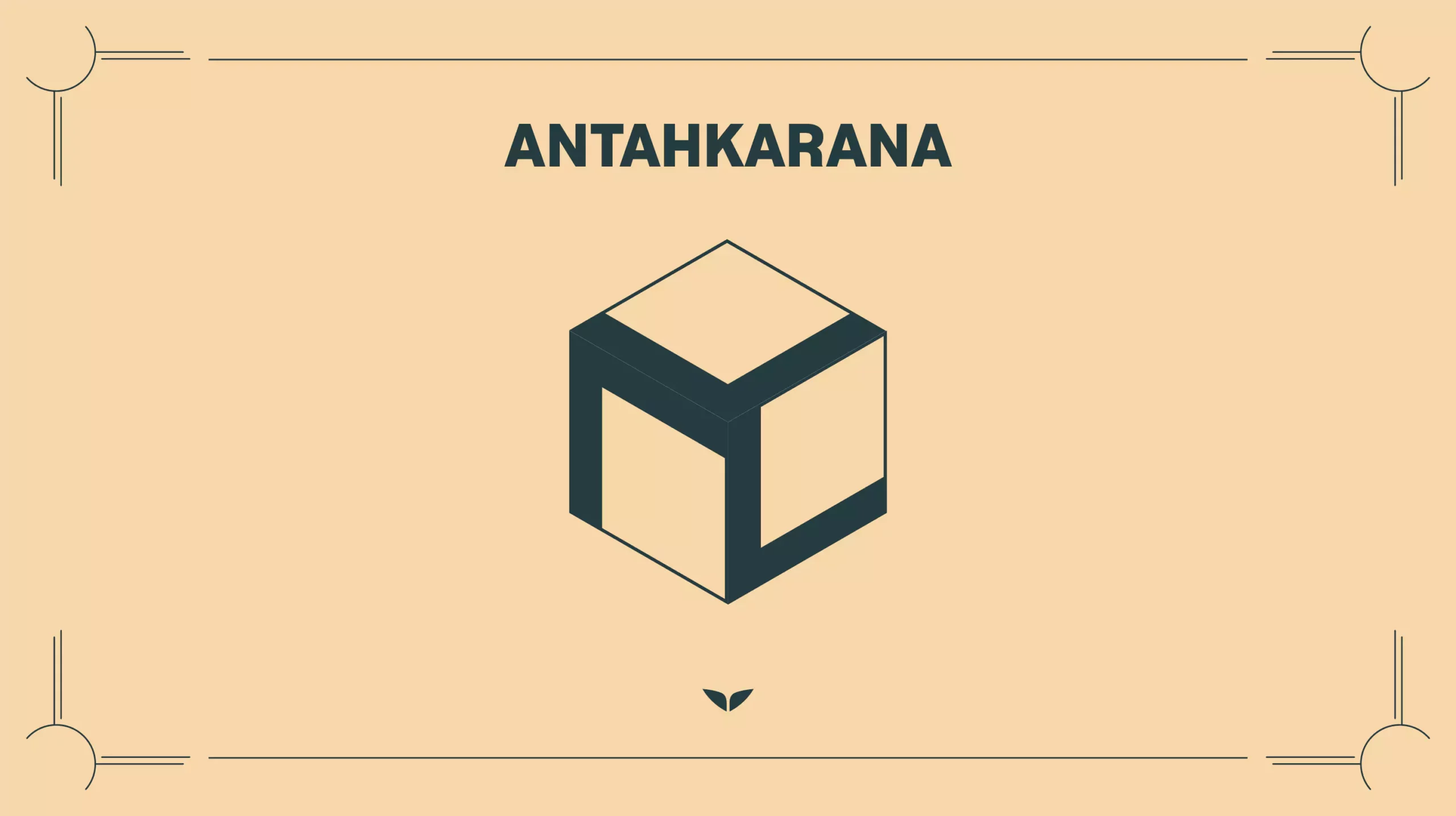
Origin: the name is Sanskrit for “inner instrument,” the mind as a link between body and higher self. The symbol itself is used widely in Reiki; its exact history is unclear, and sources describe it as Tibetan or Chinese.
The Antahkarana is drawn as a cube with three sevens around its faces. Practitioners often connect the sevens to the seven chakras, and the whole figure to the bridge between the everyday mind and higher consciousness.
How to use it: meditate with the symbol in view, or place it under a massage table or chair in a healing space. Many people use it as a calm focus point for self-reflection.
11. Tree of Life
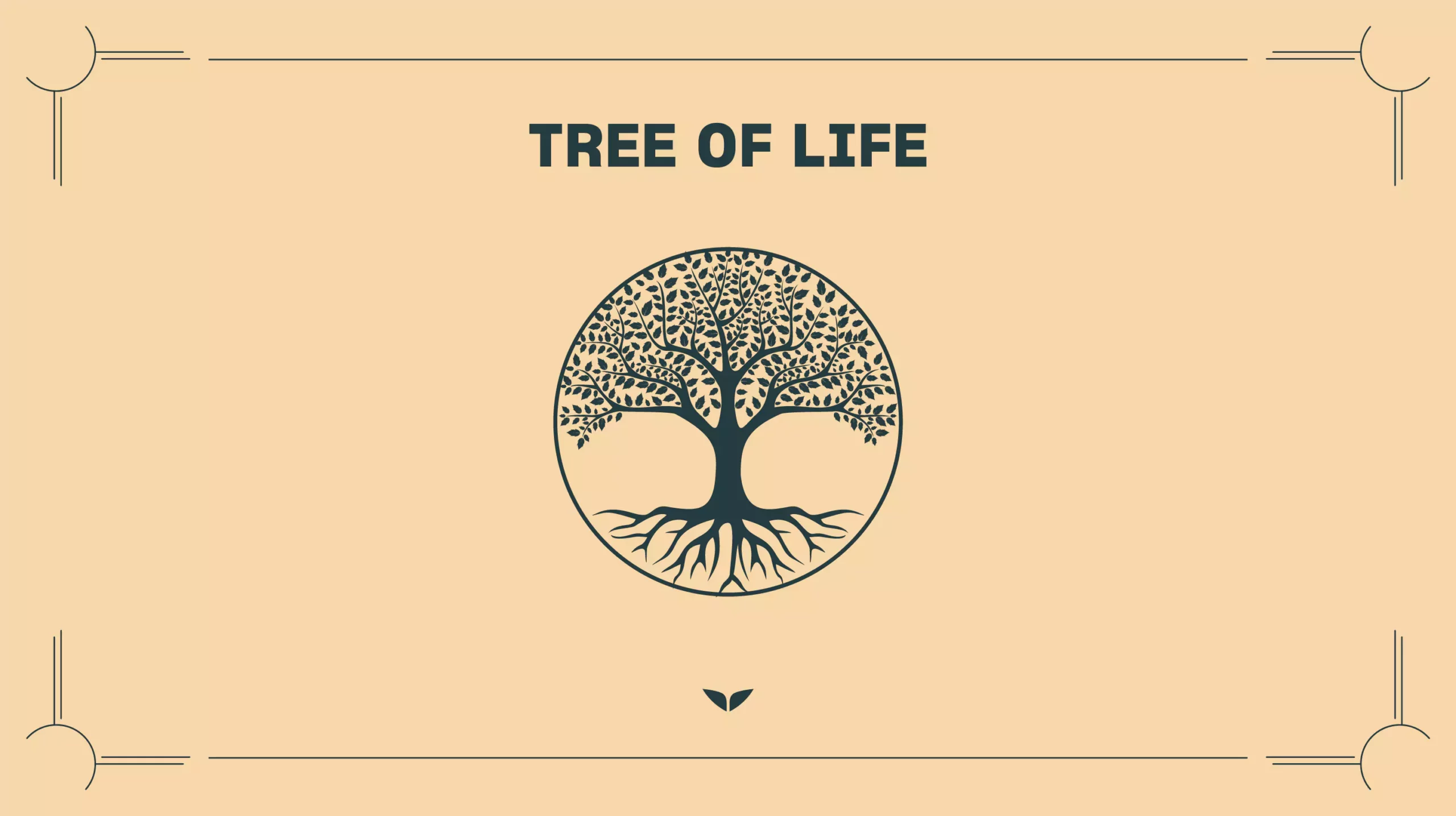
Origin: many cultures, including the Celtic crann bethadh, the Norse world tree Yggdrasil and the Tree of Life in the Book of Genesis.
The Tree of Life shows roots reaching into the earth and branches stretching toward the sky. Across cultures it stands for the unity of all life, the cycle of growth and decay, and the link between earth and heaven. In Celtic tradition, trees were also seen as doorways to the spirit world.
How to use it: use it as a focus point in meditation and picture yourself as rooted and steady as a tree. It also works well in a home space where you want to feel grounded.
12. Eye of Horus
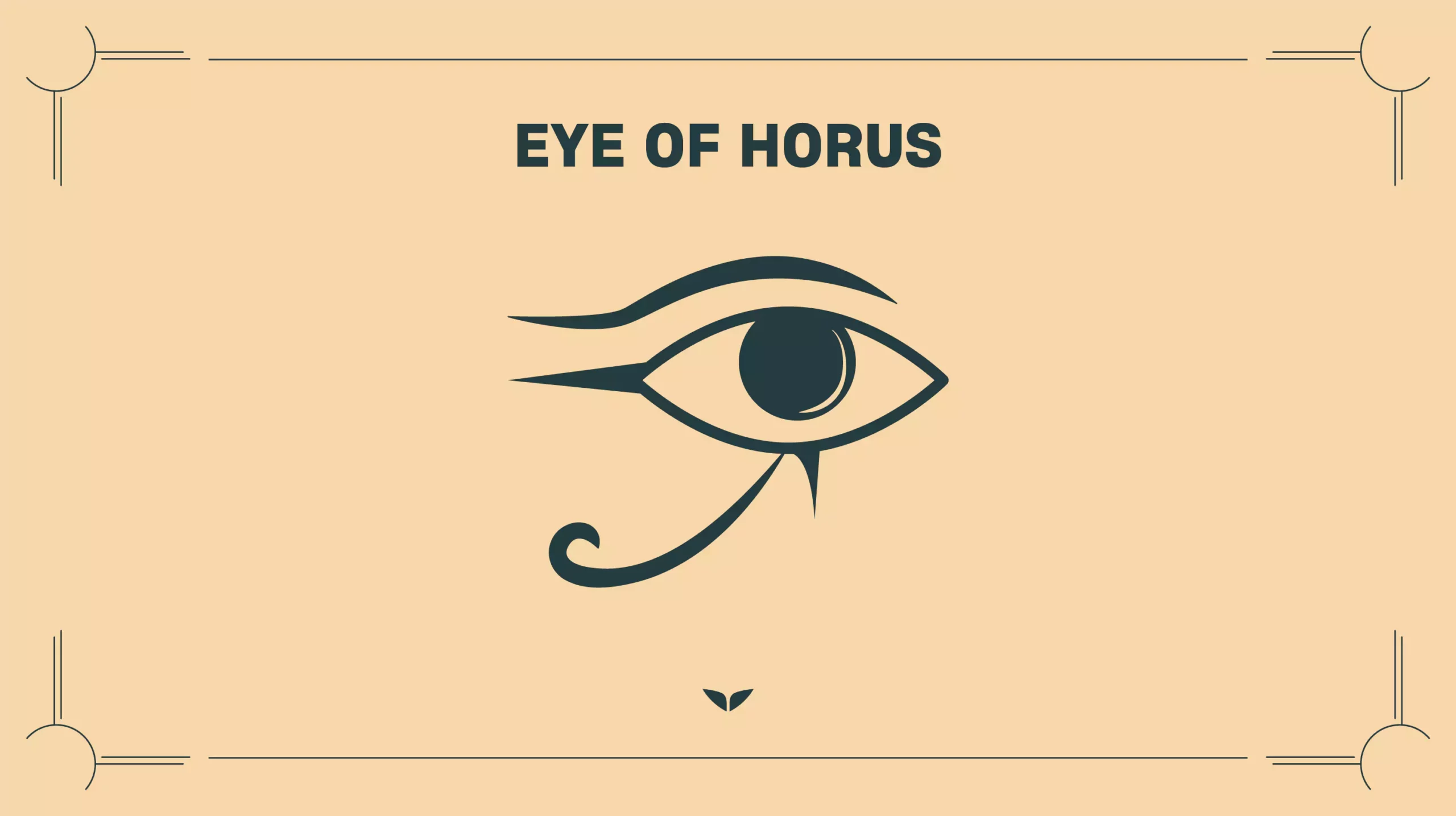
Origin: ancient Egypt, where it was called the wedjat.
Horus was the falcon-headed sky god. In the myth, he lost an eye fighting Set, and the god Thoth restored it. So the eye came to stand for healing, wholeness and protection, and Egyptians placed it on amulets for the living and the dead.
How to use it: wear it as an amulet or keep it at home as a reminder of protection and recovery. It suits times when you’re rebuilding after something hard.
13. Infinity
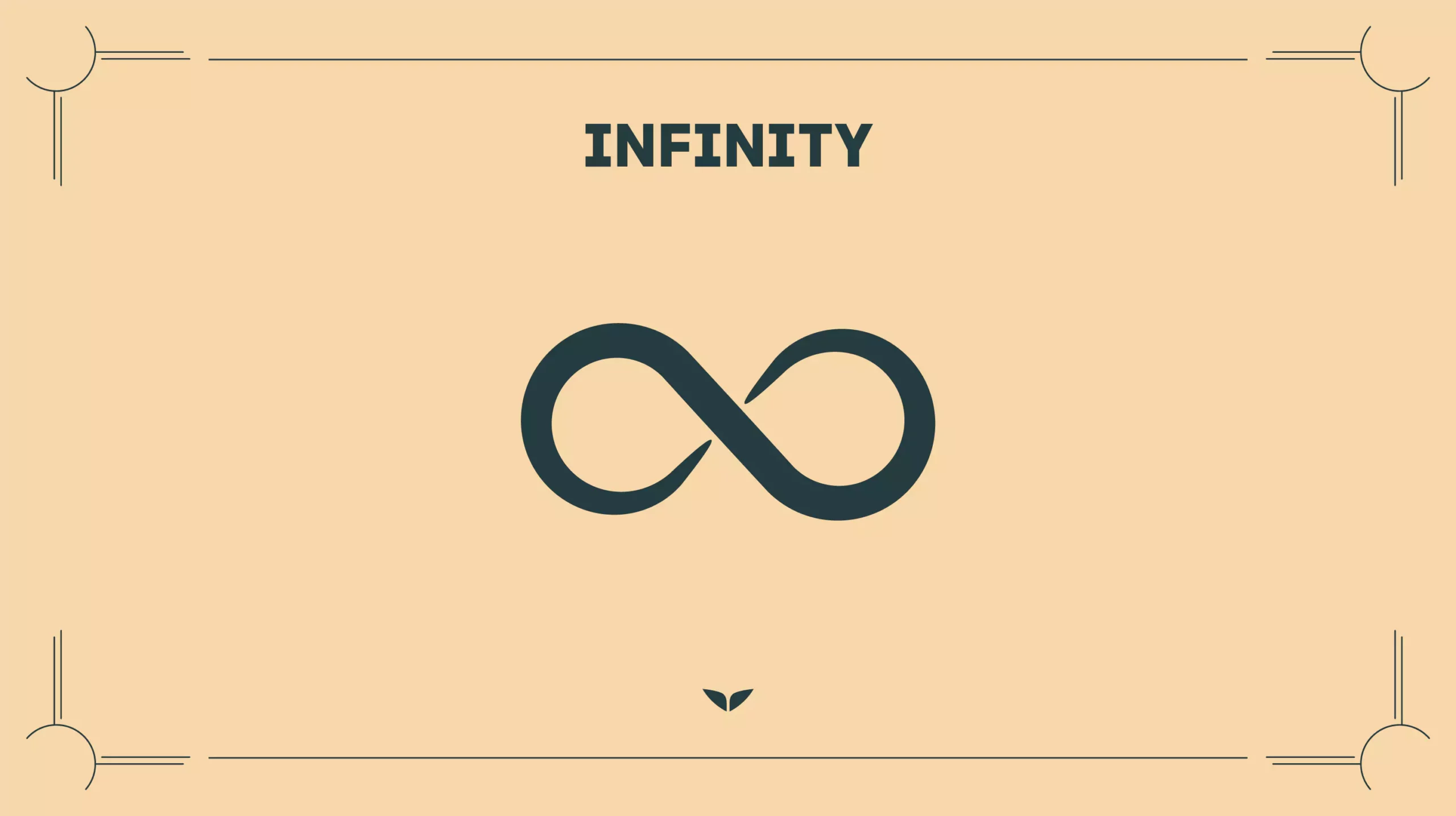
Origin: mathematics. The English mathematician John Wallis introduced the sideways figure eight in 1655; spiritual communities adopted it much later.
The infinity symbol represents endlessness and the idea that everything is connected. On a spiritual level, it can also stand for renewal and eternal life: one line that loops back on itself without a beginning or end.
How to use it: wear it as jewelry as a reminder of your own potential, or trace it slowly with your eyes or finger to calm your breathing. Couples often use it as a symbol of lasting love.
14. Spiral Sun
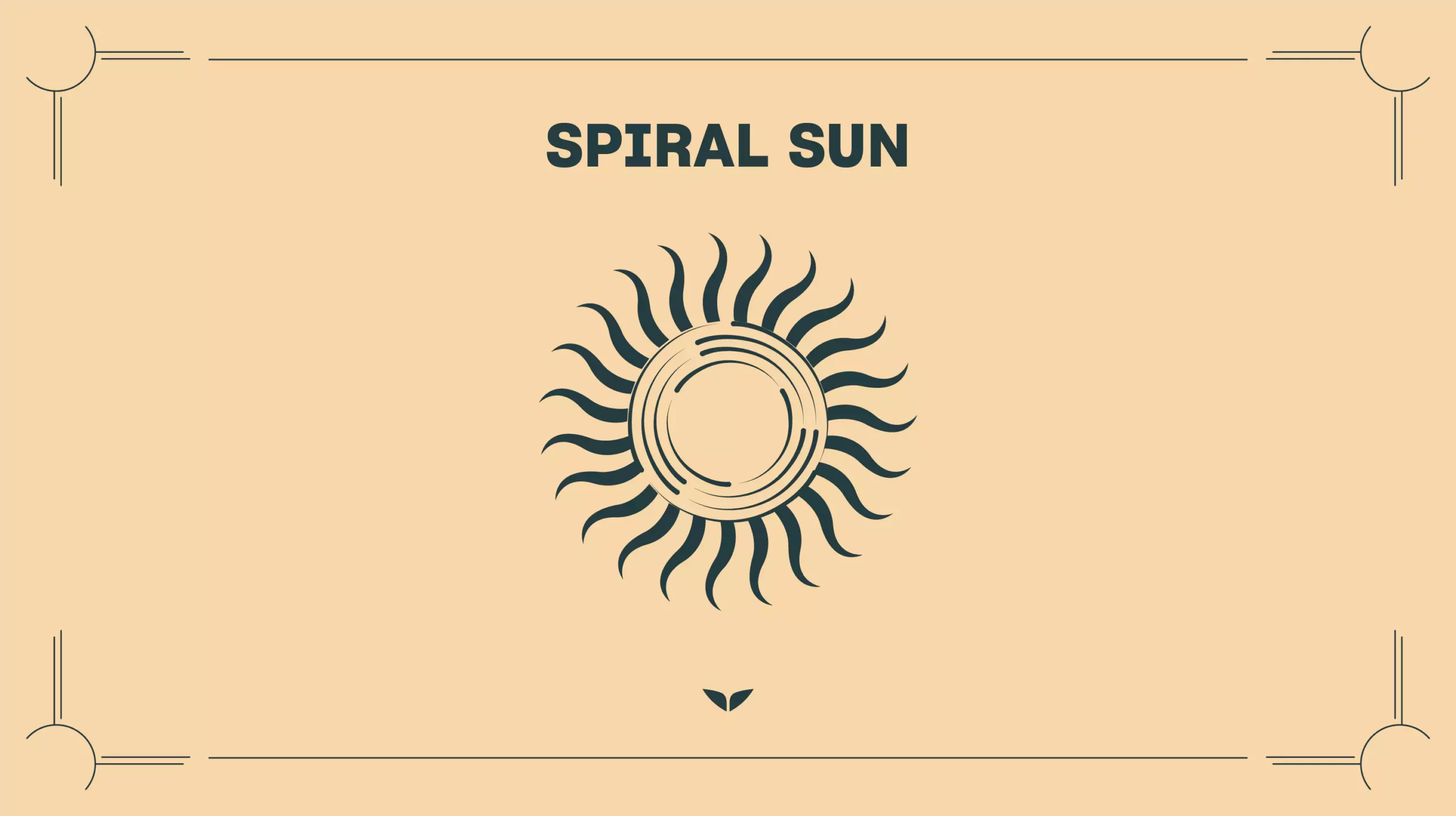
Origin: spirals are among the oldest carved symbols in the world, found in Neolithic sites like Newgrange in Ireland and in ancient rock art across the American Southwest.
The spiral sun joins two life-giving images: the sun and the spiral of growth. In modern energy work, it’s sometimes called “the first healer,” because the sun was seen as the first source of healing. It represents life energy, renewal and the cycles of nature.
How to use it: in visualization, picture the spiral turning and drawing heavy or unwanted energy away from your body. Then picture it turning the other way and filling you with warmth.
15. Sri Yantra
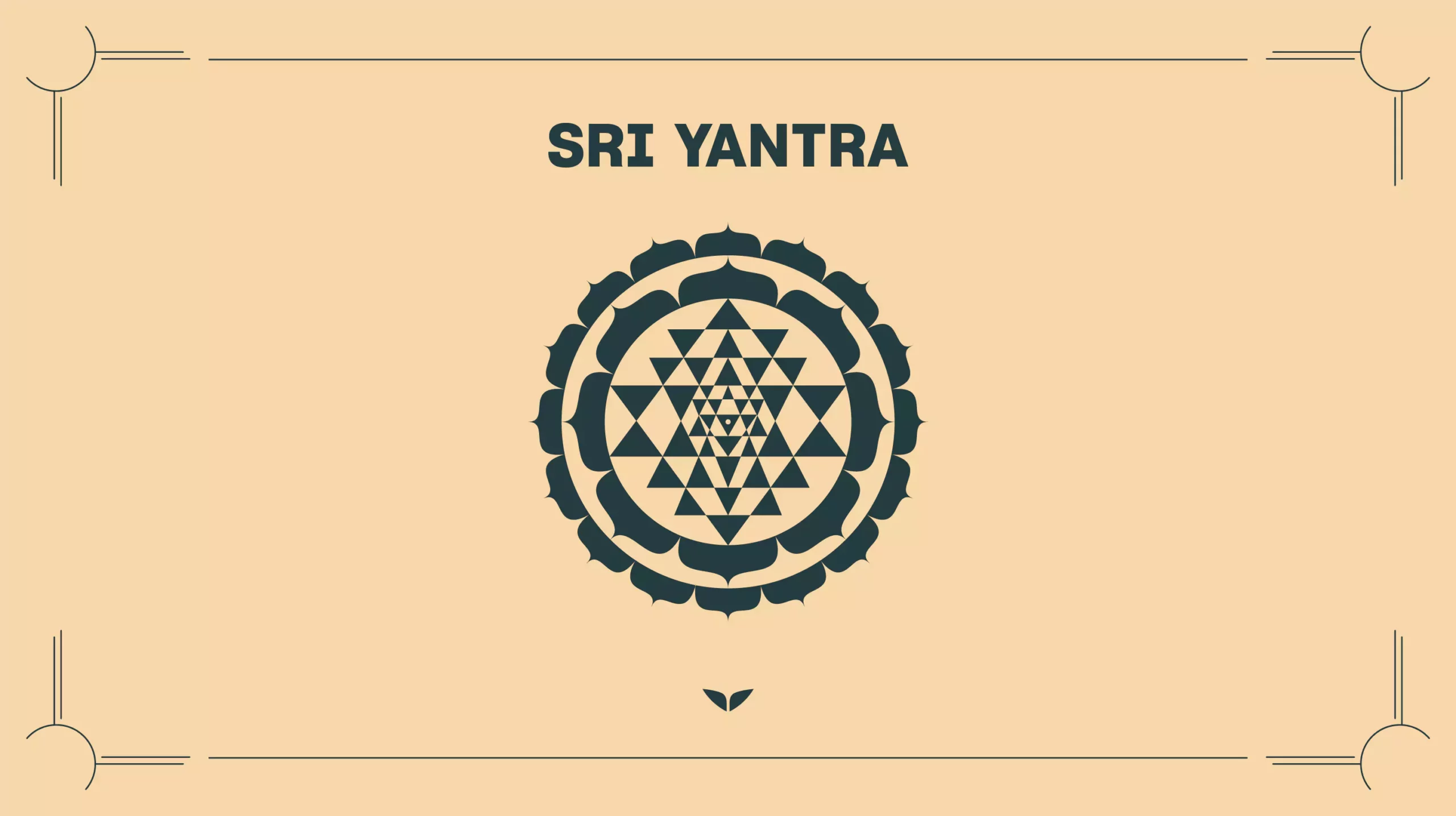
Origin: Hinduism, in the Shri Vidya tradition devoted to the goddess Tripura Sundari.
The Sri Yantra is made of nine interlocking triangles around a central point. The four upward triangles represent Shiva, masculine energy, and the five downward ones represent Shakti, feminine energy. The bindu at the center is the point where creation begins. If you like symbols built on geometric patterns, you’ll find more in our guide to sacred geometry symbols.
How to use it: practice trataka, a steady gaze on the bindu, for a few minutes. Let your eyes soften and your thoughts slow down.
16. The 5 Reiki symbols
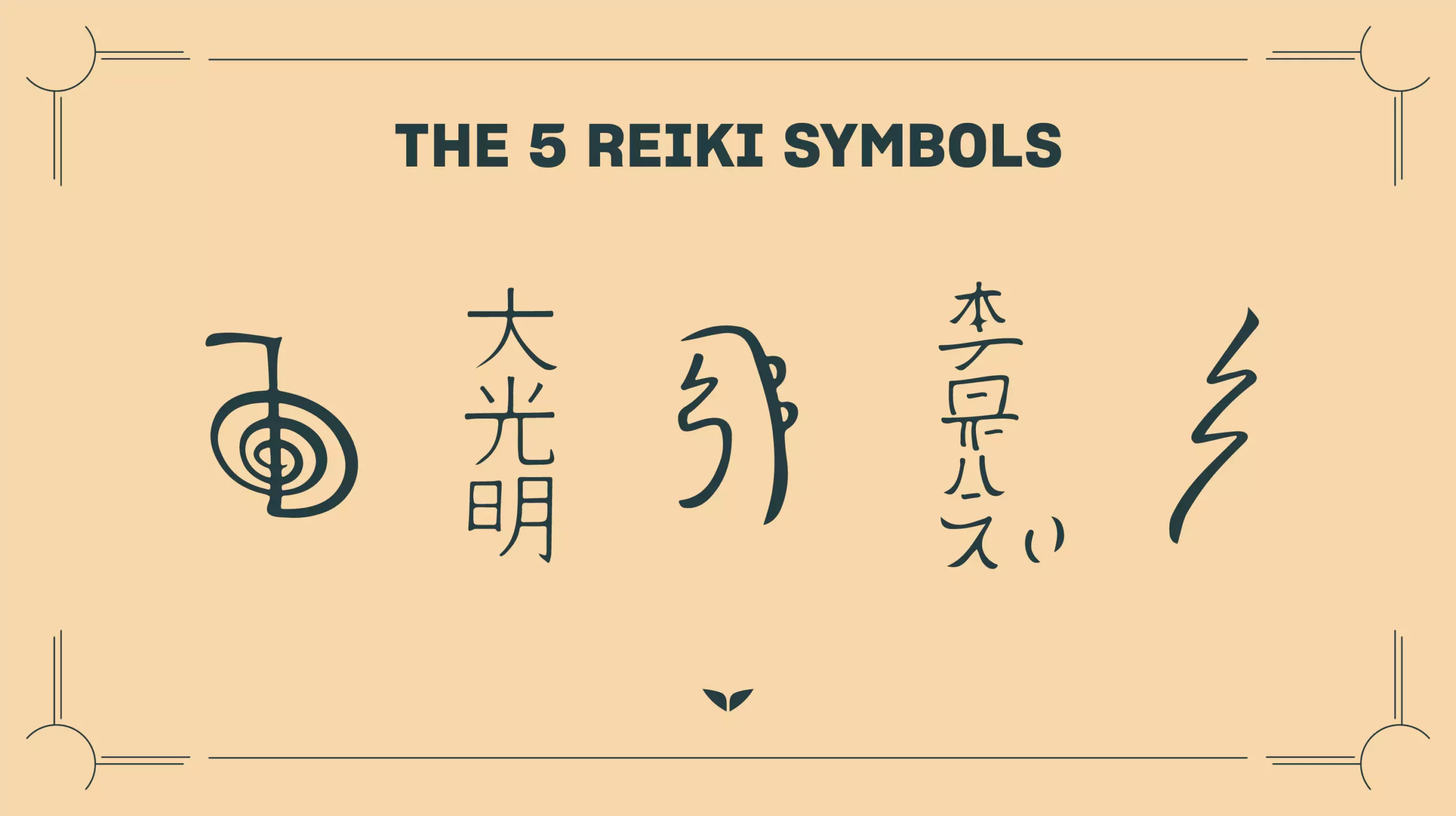
Origin: Usui Reiki, the Japanese healing practice that Mikao Usui developed in the early 1920s.
These five symbols are used in Reiki healing to direct energy for a specific purpose:
- Cho Ku Rei: the power symbol, used to increase the flow of energy
- Sei He Ki: used for emotional and mental balance
- Hon Sha Ze Sho Nen: used for distance healing across time and space
- Dai Ko Myo: the master symbol, linked with enlightenment
- Raku: used in some Western Reiki lineages to ground the energy at the end of a session
How to use it: Reiki practitioners learn these symbols during training and draw or picture them during a session.
Balance your chakras
Join this free masterclass and learn to restore your energy centers.

Spiritual protection symbols
These spiritual protection symbols and meanings come from cultures that wanted to guard the home, the sleeper and the soul.
17. Ankh
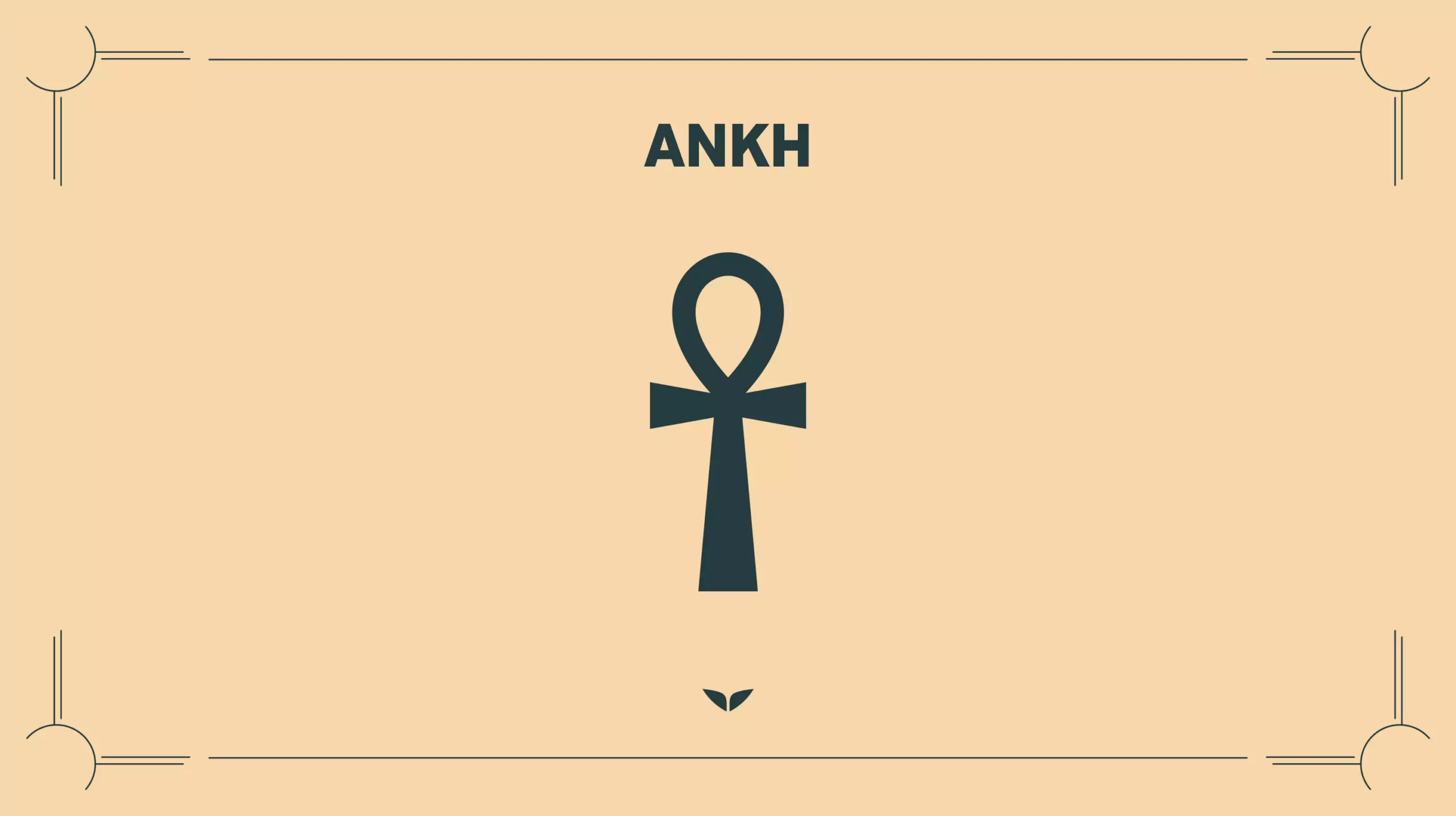
Origin: ancient Egypt, where the ankh was the hieroglyph for “life.”
The ankh is a cross with a loop at the top. Egyptian art often shows gods holding it to a pharaoh’s face, offering the breath of life. That’s why it represents life itself, rebirth and life after death.
How to use it: the ankh is a reminder of spiritual transcendence and of the idea that the soul continues beyond this life. Many people wear it as a pendant or keep it near a meditation space.
18. Bagua map
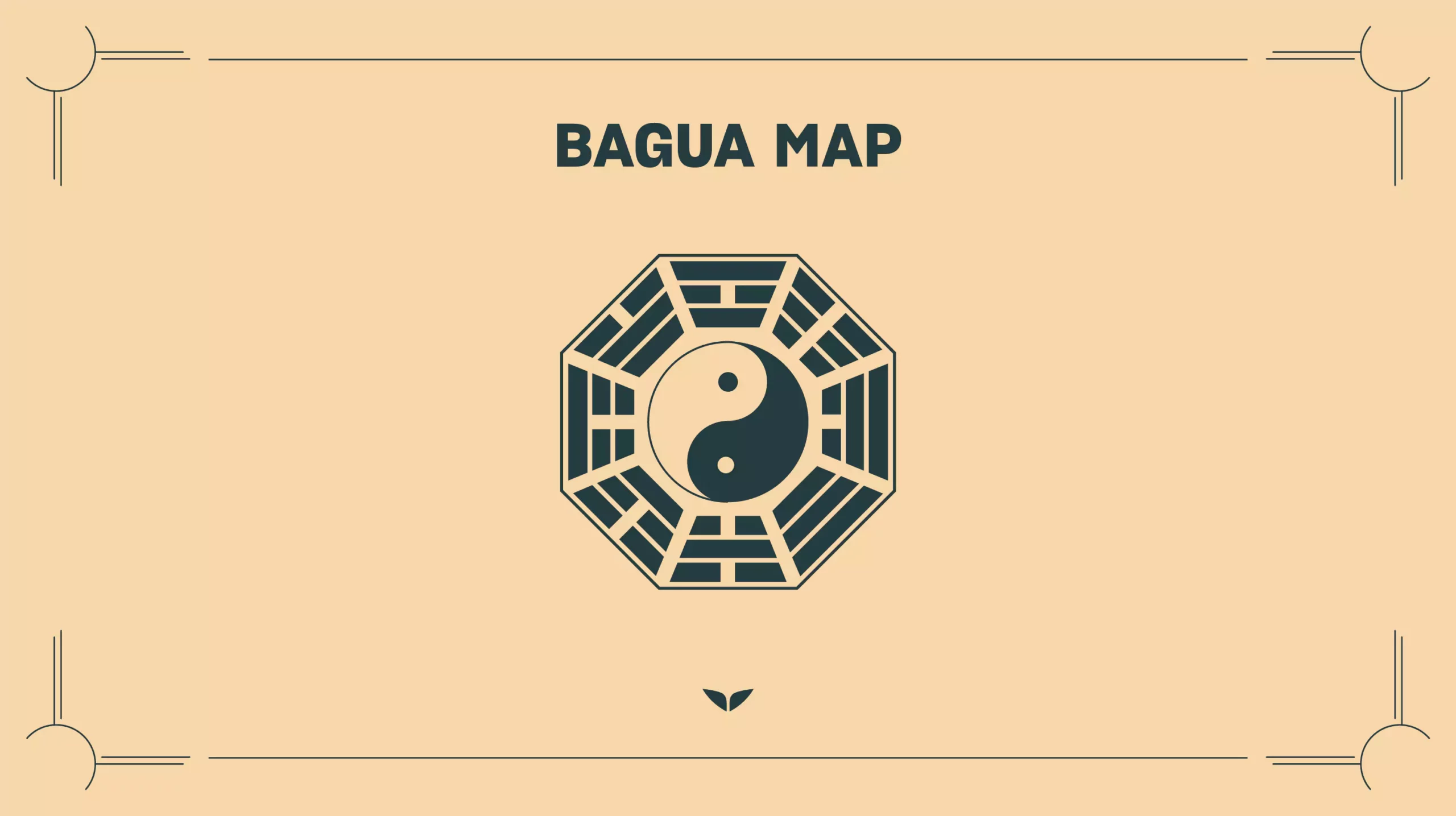
Origin: Chinese philosophy and feng shui, based on the eight trigrams of the I Ching.
The Bagua map is an octagon divided into eight areas of life, such as wealth, relationships, career and health, with a ninth area at the center. In feng shui, it shows how energy moves through a space and where it gets stuck.
How to use it: lay the map over a floor plan of your room, with one side lined up with the entrance. Then use colors, objects and elements that match the area you want to support. For your career, for example, focus on the career section.
19. Dreamcatcher
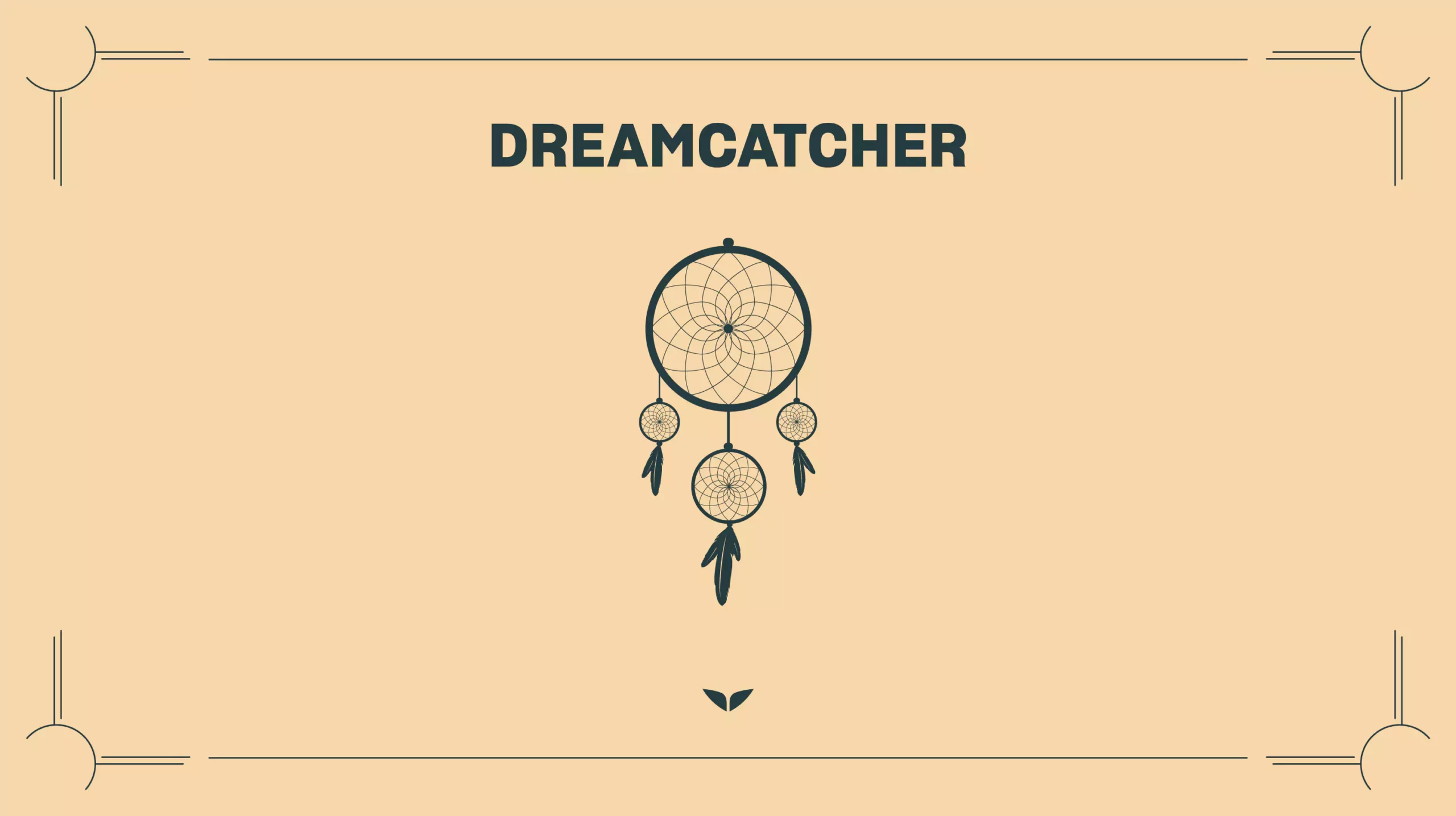
Origin: the Ojibwe (Anishinaabe) people of the Great Lakes region. Other Native American nations adopted it in the 1960s and 1970s.
Ojibwe stories tell of Asibikaashi, the Spider Woman, who protected children as they slept. Traditional dreamcatchers were small willow hoops with a web of sinew, hung over a baby’s cradle. The web was said to catch bad dreams and let good ones slip through to the sleeper, which makes it one of the best known spiritual Native American symbols and meanings.
How to use it: hang a dreamcatcher above your bed. If you can, buy one made by a Native artist.
20. Evil Eye
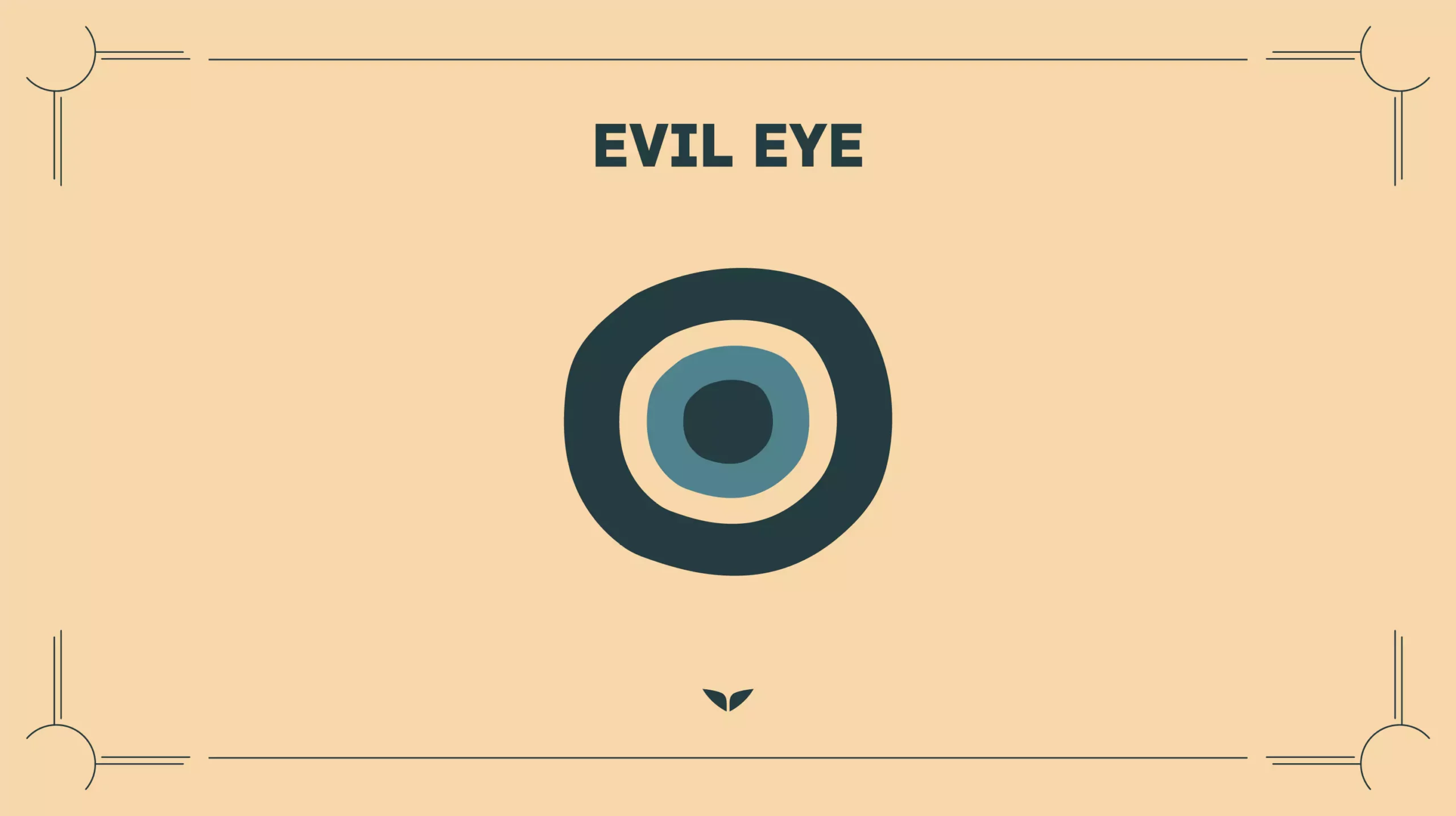
Origin: belief in the evil eye goes back to ancient Greece, Rome and the Near East, and it’s still common around the Mediterranean and the Middle East.
The evil eye is the idea that an envious look can bring bad luck. The charm against it, often a blue and white glass eye called a nazar, is meant to “look back” and turn that energy away.
How to use it: wear it as jewelry or hang it in your home or workplace to guard against envy and negative energy. In Turkey and Greece, you’ll see it everywhere from front doors to car mirrors.
21. Helm of Awe
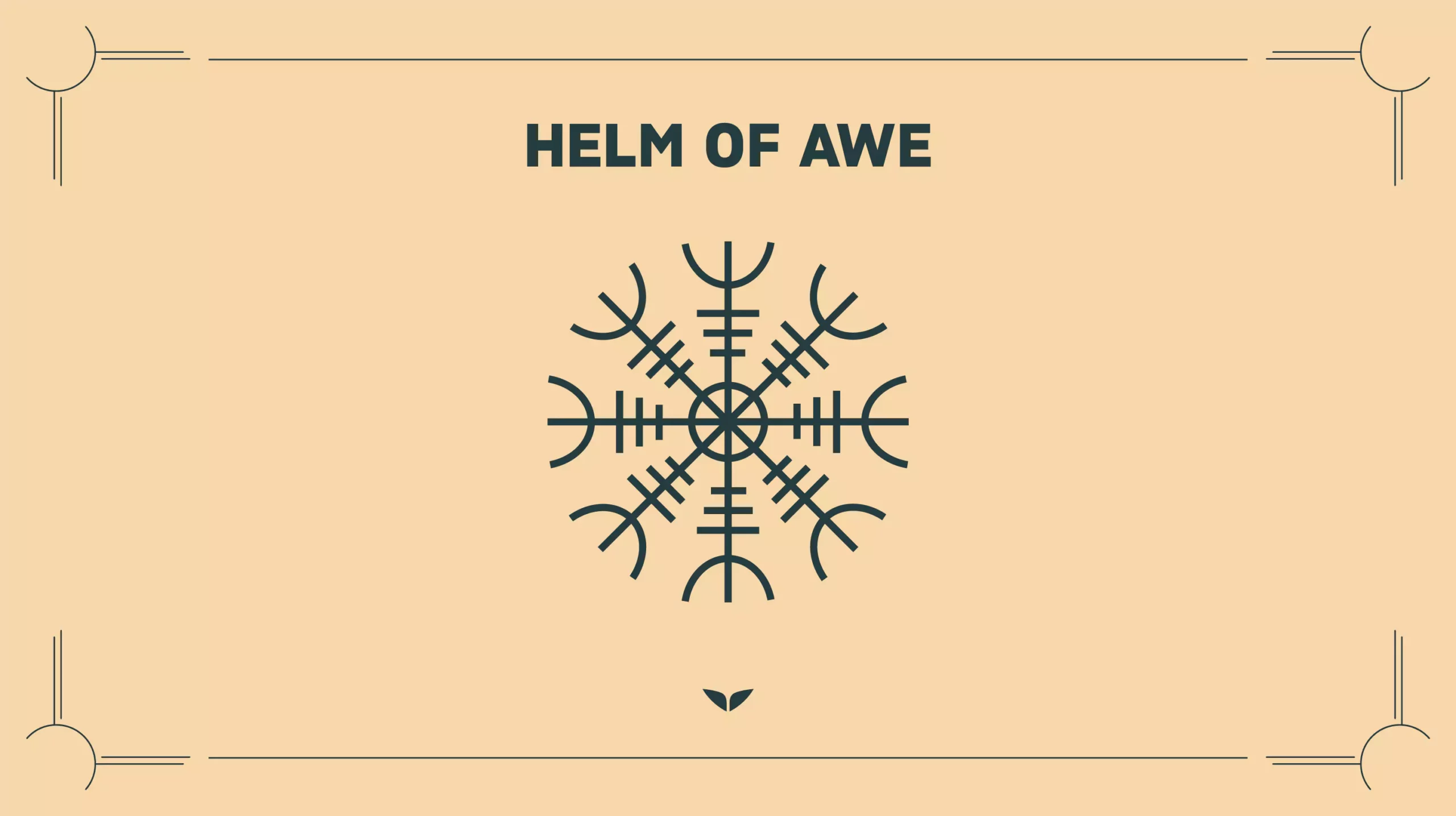
Origin: Norse and Icelandic tradition. The name appears in Old Norse poetry; the drawn symbol is known from later Icelandic manuscripts of magical staves.
The Helm of Awe, or Aegishjalmur, has eight arms radiating from a central point, like spears guarding the center. In the poem Fáfnismál, the dragon Fafnir credits the helm for making him feel unbeatable. It represents protection, courage and the power to intimidate an enemy.
How to use it: picture it around you before a hard conversation or a day that tests your nerve. Some people wear it as a reminder of their own inner strength.
22. Mjolnir
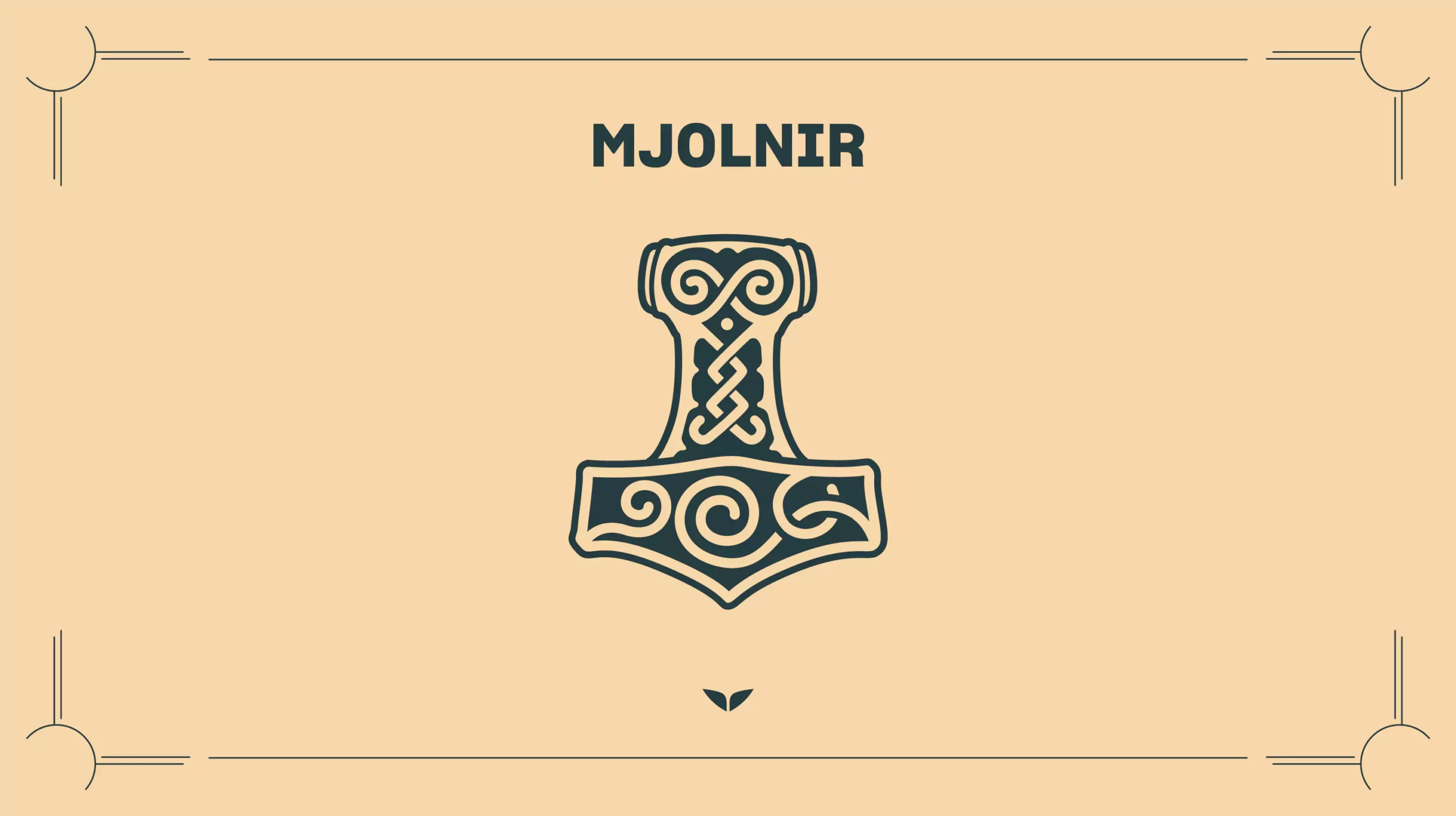
Origin: Norse mythology. Hammer pendants have been found across Viking Age Scandinavia.
Mjolnir is the hammer of Thor, the god of thunder, who used it to protect gods and people. It stands for strength, protection and blessing; in the old stories, Thor’s hammer also blessed marriages and newborns.
How to use it: Mjolnir pendants are worn today in modern Norse pagan and Heathen practice as symbols of strength and protection. You can wear one as a reminder to stand up for what you care about.
23. Pentacle
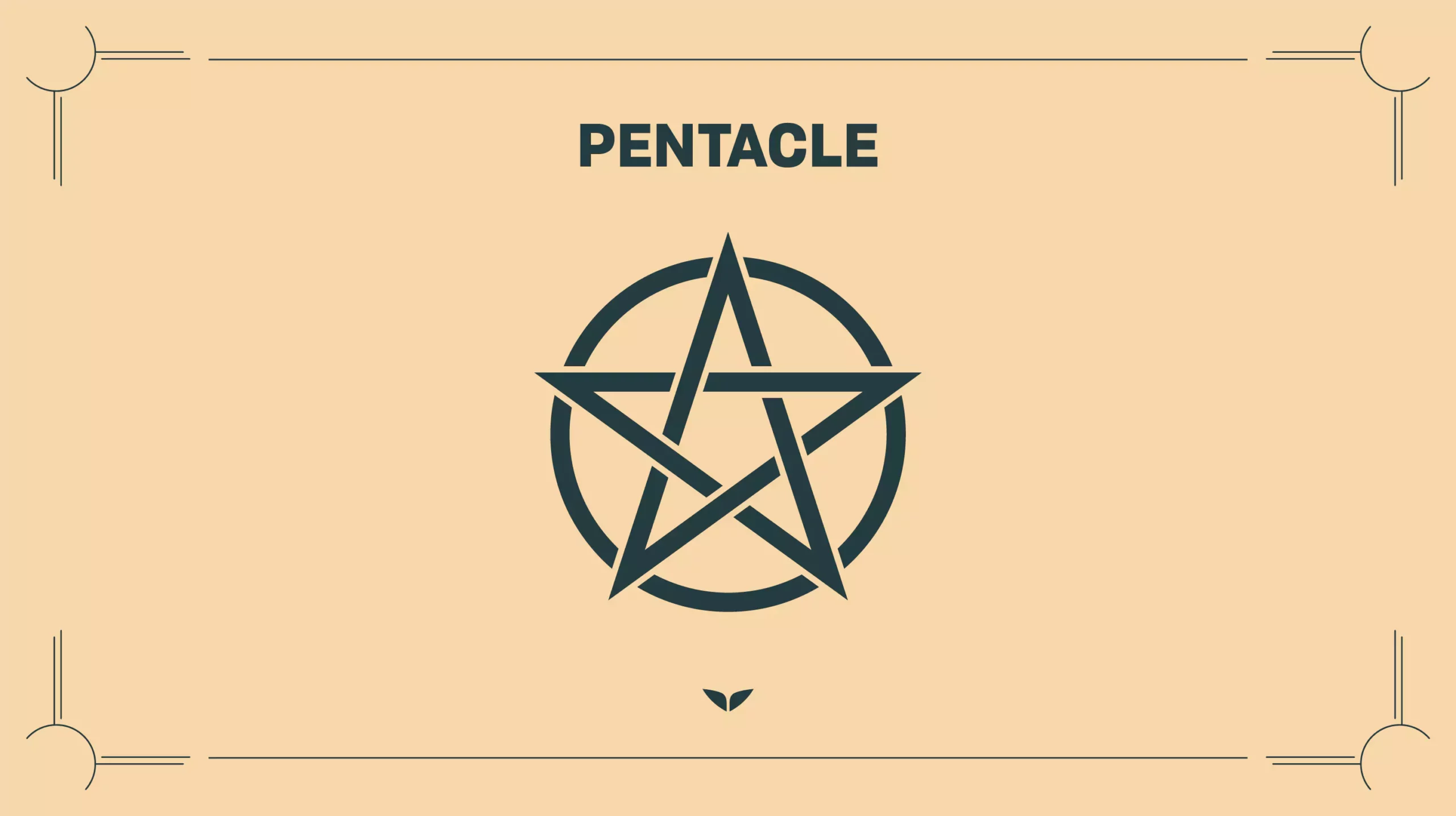
Origin: the pentagram is ancient; the pentacle, a five-pointed star inside a circle, is central to modern paganism and Wicca.
Each point of the star stands for an element: earth, air, fire, water and spirit. The circle around it joins them and stands for unity and protection.
How to use it: the pentacle can be placed on an altar during rituals to call on the elements, or worn as a symbol of protection and balance.
Level up your soul: unlock free resources
How to work with spiritual symbols
Working with spiritual symbols is simple: choose one that means something to you and use it with attention. Here are three steps to start.
1. Set intentions
Without an end goal, it’s hard to stay motivated. Research on goal achievement shows that intentions direct your behavior and help you reach your goals.
So before you begin, decide what you want from your practice. Some people look to symbols for protection, healing or spiritual guidance. If you want to feel your inner strength, for example, you might choose the Tree of Life, with its deep roots and solid trunk, and let that image shape your intention.
Wisdom from a modern yogi
Join Sadhguru’s free masterclass on karma, yoga, and inner wellbeing.

2. Create a special space
Your altar can be as small as a shelf. Add a few things that help you feel calm, such as a candle, a crystal or a plant, and place your symbol where you’ll see it. This becomes the spot where you sit, focus and connect with what the symbol means to you. If you work with your energy centers, you can add chakra symbols to the space as well.
3. Visualize
Visualization deepens your connection with a symbol and helps you take on the qualities it represents. Research on visualization suggests that when you rehearse an image in your mind again and again, your brain starts to respond as if it were real.
Close your eyes and picture your symbol in detail. With the Tree of Life, imagine roots spreading deep into the earth while your branches grow toward the sky. You can also draw your symbol slowly by hand and keep your full attention on each line. Some people choose to wear their symbol as jewelry or as one of the spiritual tattoos they carry for life.
How to use spiritual symbols respectfully
Use spiritual symbols respectfully by learning where they come from and treating living religious symbols as sacred, not decorative. Many are still part of daily worship for millions of people, so a little care goes a long way.
- Learn the origin: know where a symbol comes from and what it means to the people who created it.
- Respect living religions: the Cross, the Khanda and Om are active symbols of faith for millions of people, not just designs.
- Avoid decoration only: use a symbol because its meaning matters to you, not only because it looks good.
- Credit the culture: when you can, buy from artists of that tradition, such as Ojibwe makers for dreamcatchers.
Frequently asked questions
Spiritual symbols: sacred secrets unveiled
Symbols are everywhere, and each one can become a doorway to a deeper practice. If you want guidance on that journey, Mindvalley programs like Duality and Unlocking Transcendence with Jeffrey Allen, Sixth Sense Superpower with Sonia Choquette and Chakra Healing with Anodea Judith are good places to start. When you sign up for a free Mindvalley account, you can try the first lessons and the free daily meditations. Welcome in.